Private and small-group treks in Ecuador, Peru and the Galápagos

Peru

Peru Trekking Tours

Guided, multi-day Peru trekking tours, from the Salkantay trek to Machu Picchu to the Huayhuash circuit under Yerupajá. Peru has more great treks than any other Andean country; the trick is choosing the right one for your dates, your fitness and the altitude.

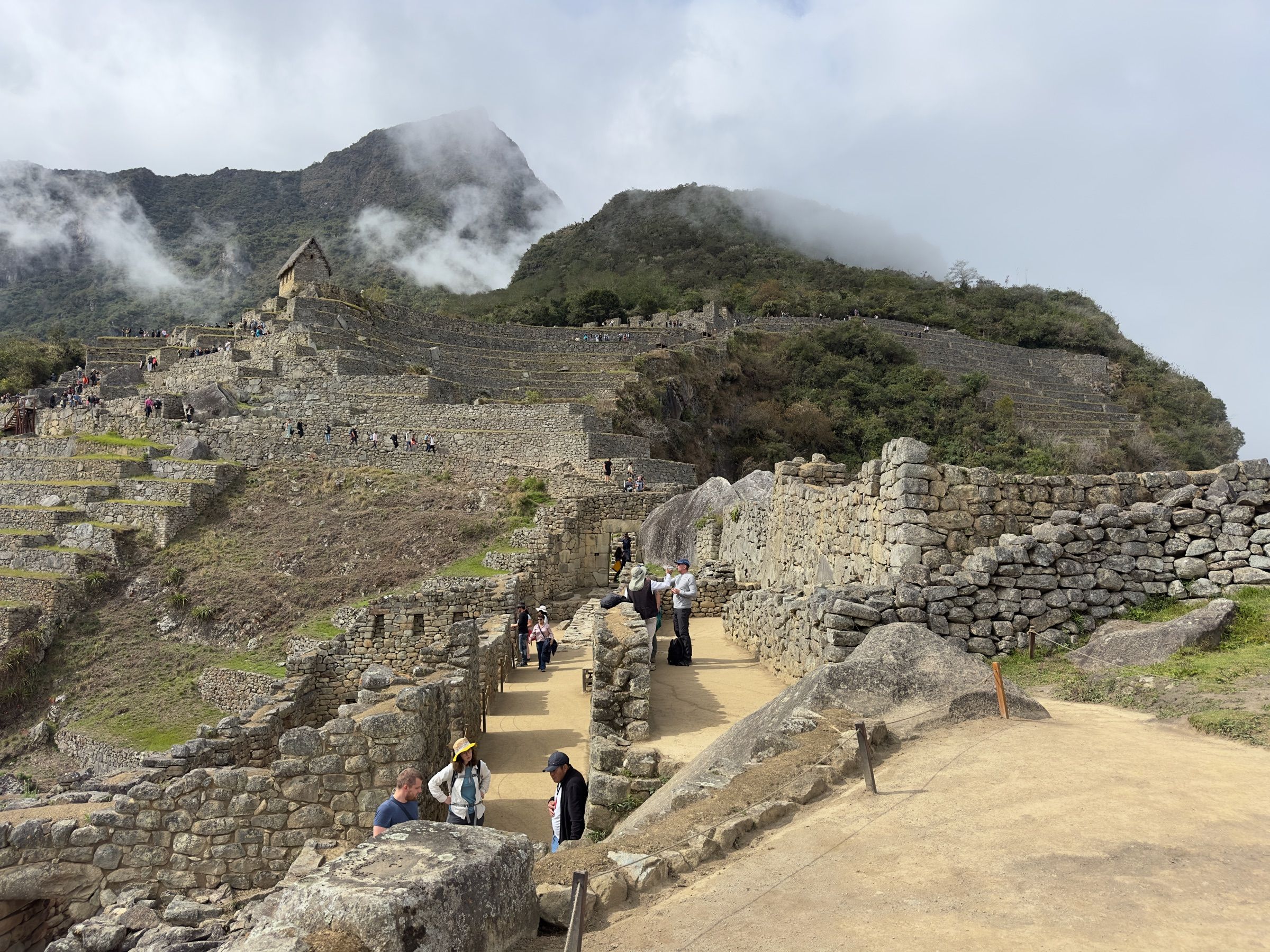
Inca terraces of Machu Picchu with clouds lifting off the surrounding peaks

Peru treks compared

Highest points are rounded; maps differ by 20–50 m. Permit rules checked October 2026.

TrekDaysHighest pointTrek permitDifficultyBest for
Salkantay5–8~4,630 mNo (Machu Picchu ticket)ChallengingMachu Picchu without an Inca Trail permit
Inca Trail4 (2 short, 6 with acclimatisation)4,215 mYes: licensed operators, about 200 trekkers a day, closed in FebruaryModerateArriving at Machu Picchu through the Sun Gate
Lares3–4~4,450 mNoModerateQuechua villages and a shorter, quieter route
Choquequirao5 (10 to Machu Picchu)~3,050 m (traverse ~4,650 m)NoHardA large Inca site with very few visitors
Ausangate5 (7 with acclimatisation)~5,200 mNoHardA high circuit almost entirely above 4,500 m
Huayhuash8–12~5,050 mNo (community fees)Very hardRemote camping under 6,000 m peaks
Santa Cruz4 (10 with acclimatisation)~4,750 mHuascarán park entryModerateA first look at the Cordillera Blanca

Treks without a link are available on request while we finish their pages.

Our Peru treks

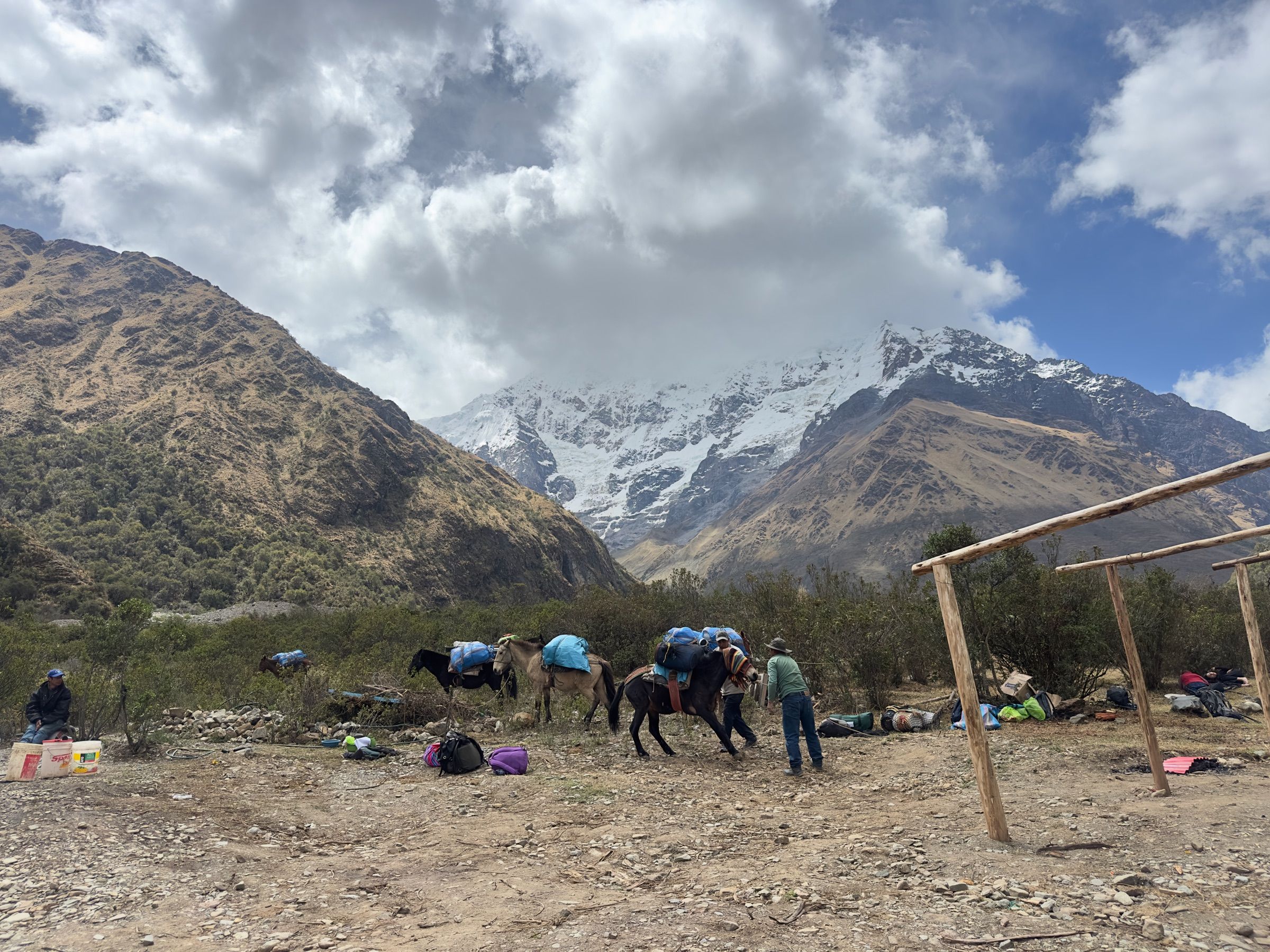
Pack mules resting at the Soraypampa camp on the Salkantay trek, below a snow-covered peak of the Vilcabamba range 5–8 days

Trek · Cusco, Peru

Salkantay Trek to Machu Picchu

The high road to Machu Picchu: over the Salkantay Pass at about 4,630 m, down through cloud forest and coffee farms, and up to the citadel. No permit needed for the trek, which makes it the trek you can still book when the Inca Trail is sold out.

High point
4,630 m
Grade
Challenging

FromUS$990 per person
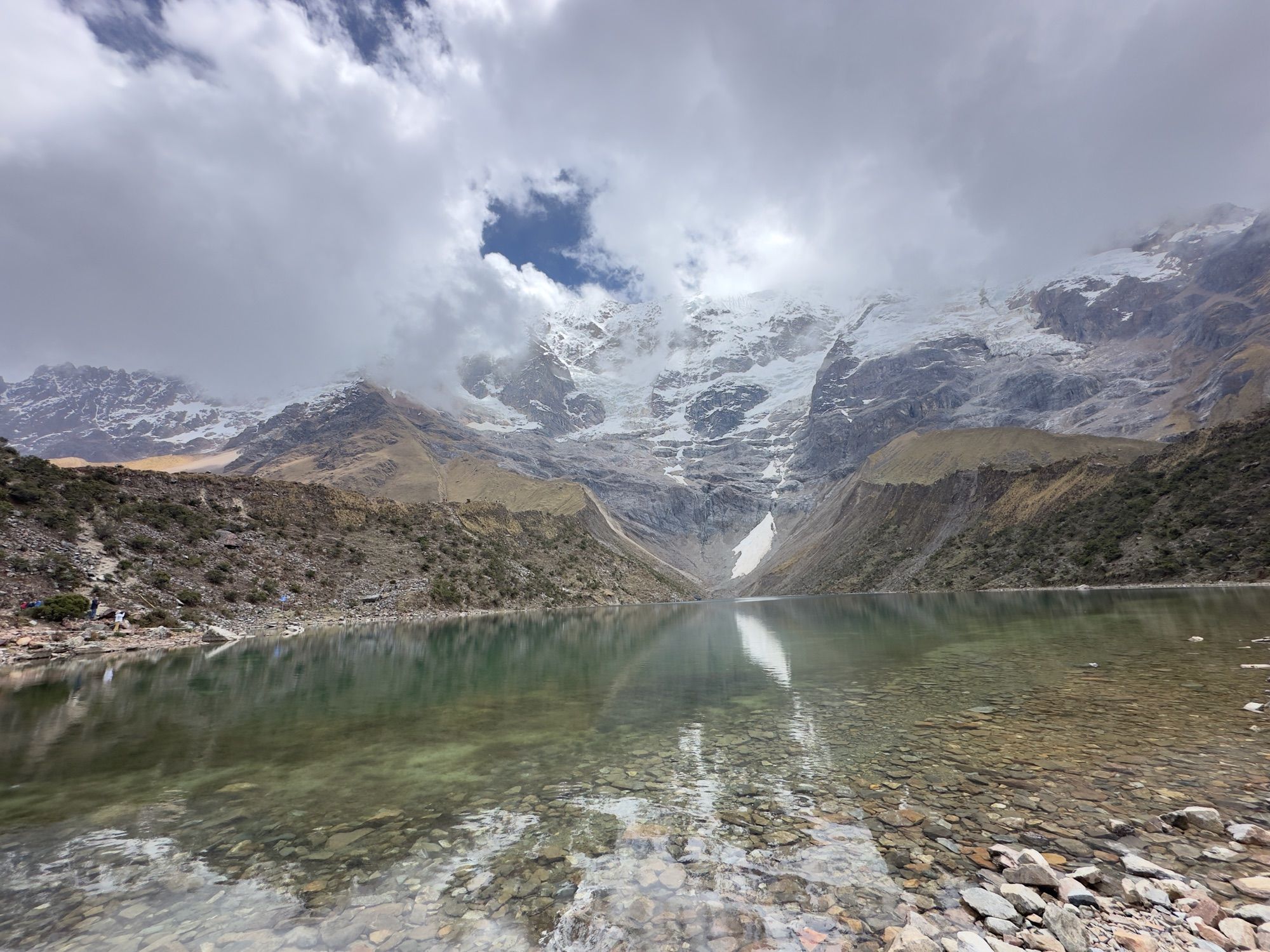
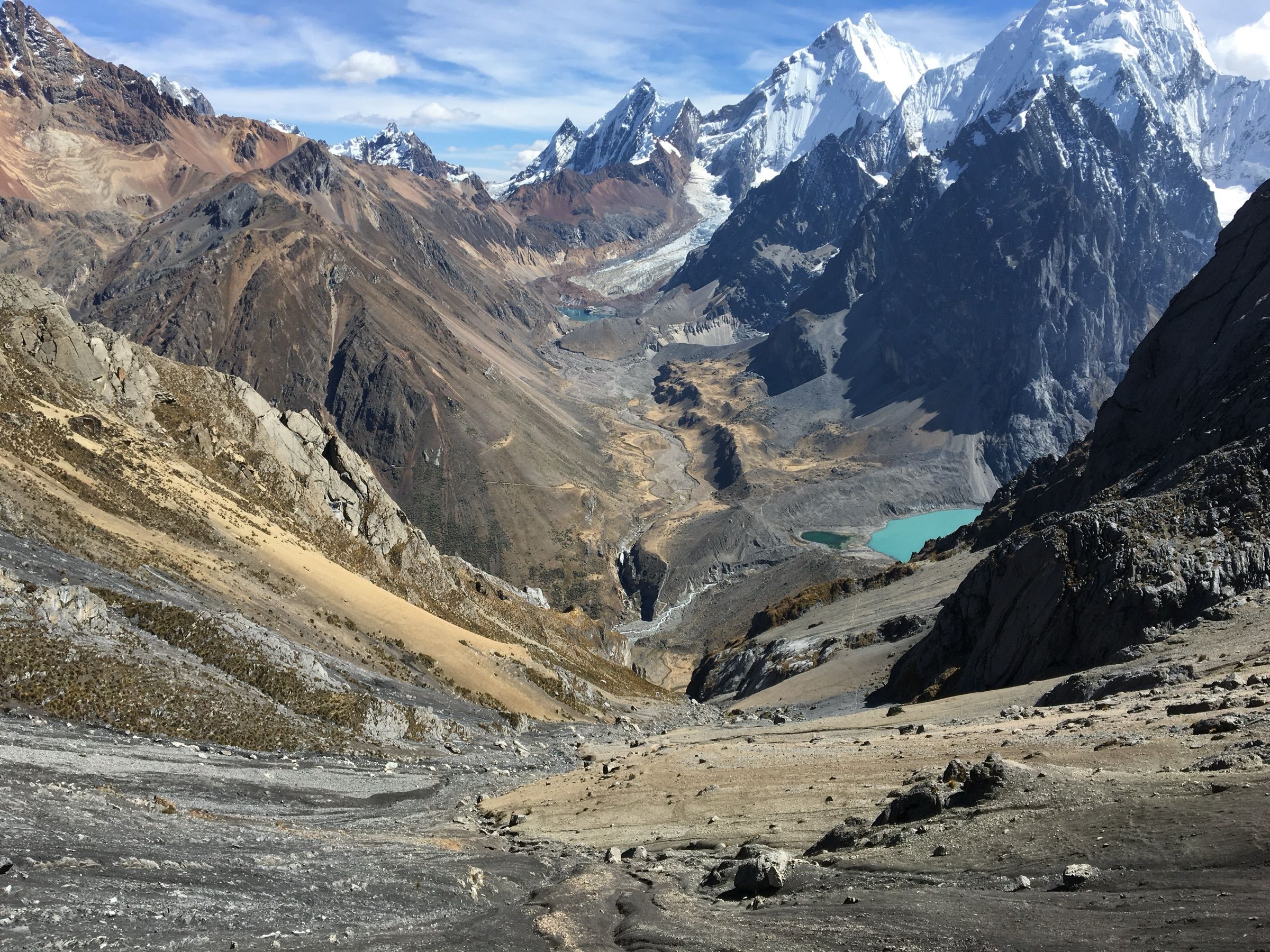
View from a high pass in the Cordillera Huayhuash over glacier peaks and a turquoise lake below 8–12 days

Trek · Áncash, Peru

Huayhuash Trek: The Cordillera Huayhuash Circuit

Ten days of camping around a compact range with seven summits over 6,000 m, glacial lakes under the ice and passes close to 5,000 m. It is remote and hard, and the views from the passes are the reason people come back.

High point
5,050 m
Grade
Very hard

FromUS$2,190 per person

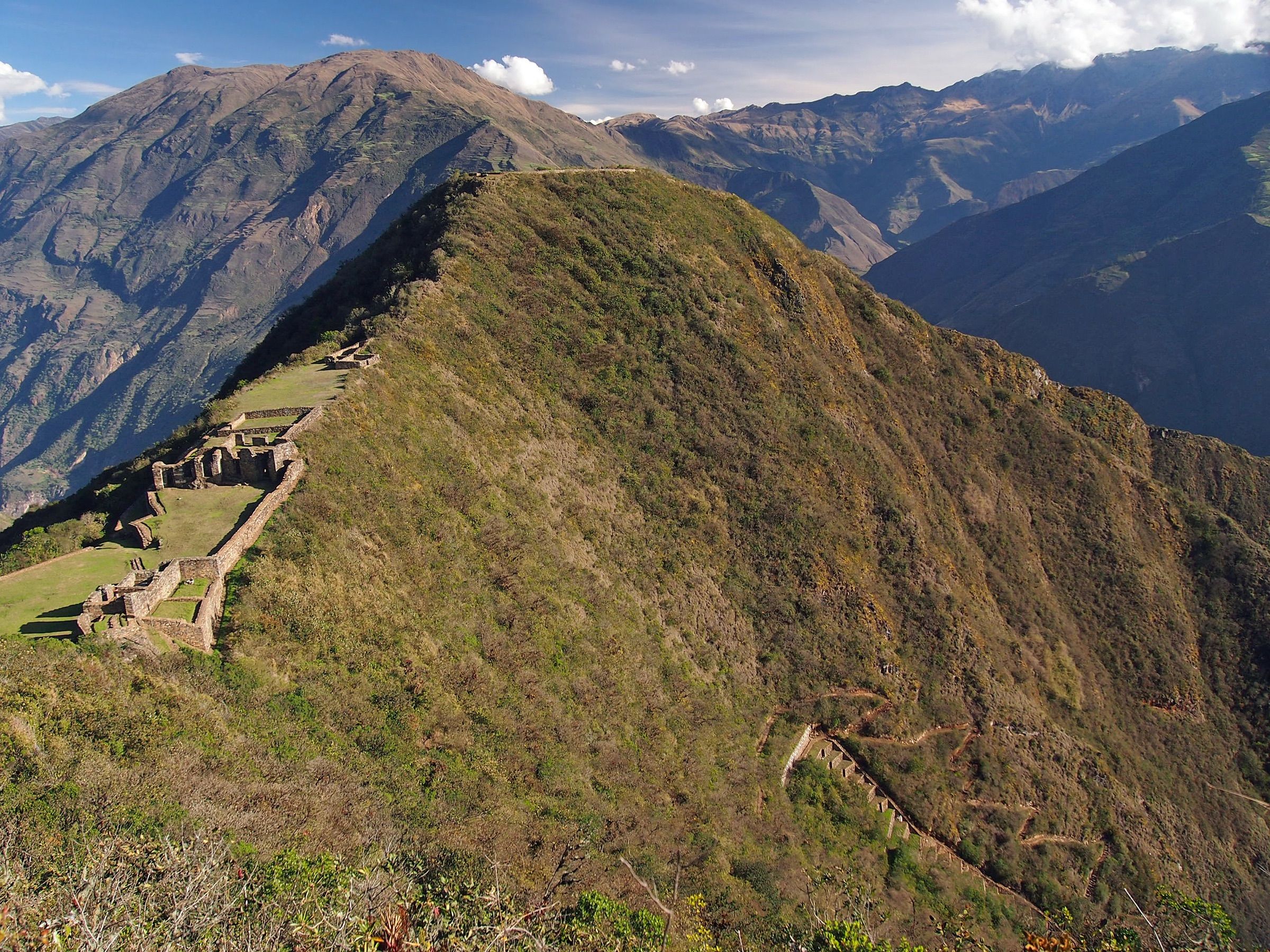
Choquequirao ruins and terraces along a green ridge above the Apurímac canyon 5–10 days

Trek · Cusco / Apurímac, Peru

Choquequirao Trek

An Inca city on a ridge above the Apurímac canyon, reached only on foot and visited by about 8,000 people a year, against thousands a day at Machu Picchu. Walk there and back in five days, or carry on over the mountains to Machu Picchu in ten.

High point
4,650 m
Grade
Hard

FromUS$1,190 per person

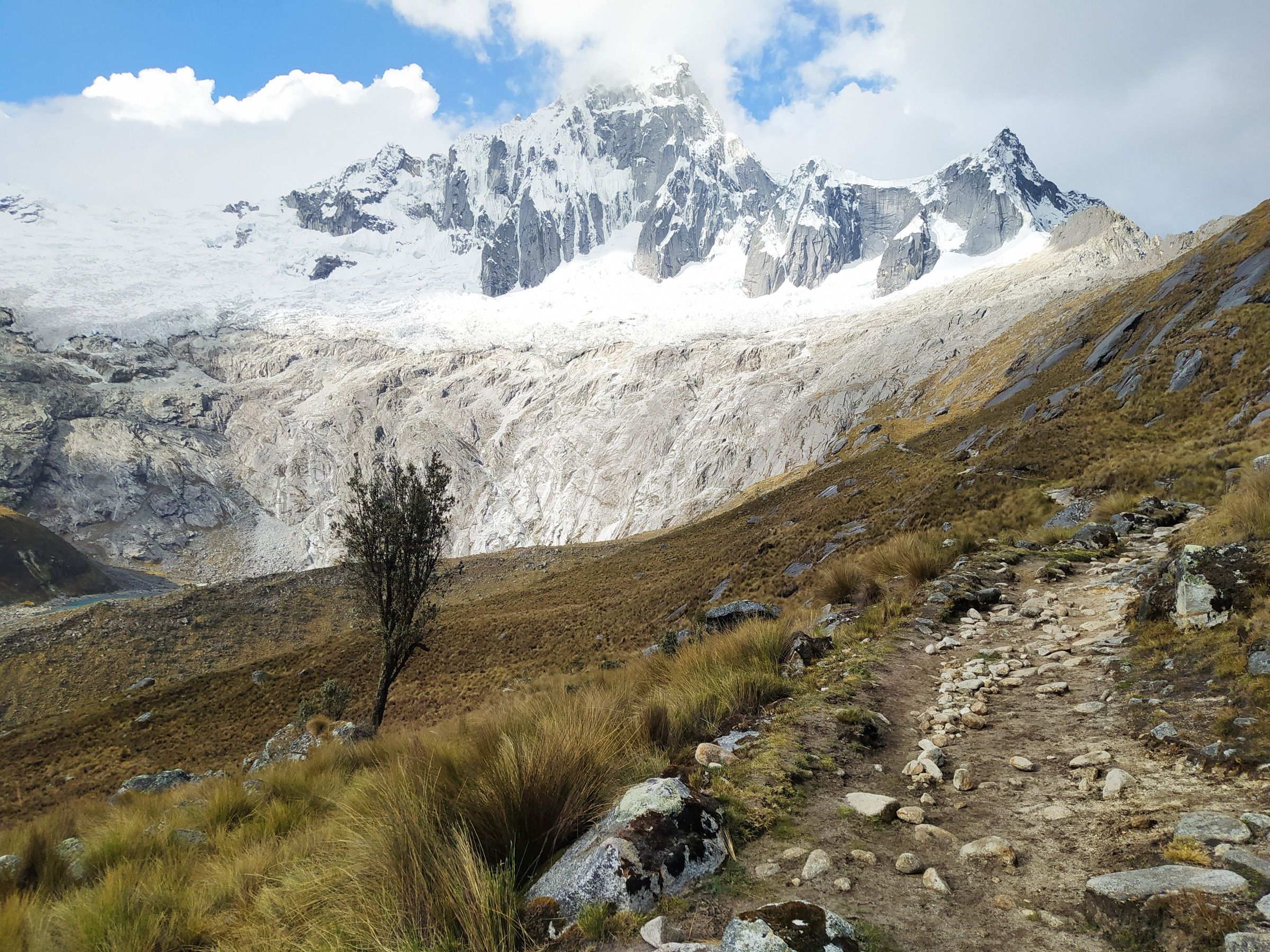
Rocky trail in the Santa Cruz valley leading towards the glaciers of Nevado Taulliraju 4–10 days

Trek · Áncash, Peru

Santa Cruz Trek, Peru

Four days through the Cordillera Blanca, over Punta Unión at about 4,750 m and down the Santa Cruz valley under Alpamayo and Taulliraju. The classic first trek in Peru's highest range, best done after a few days of acclimatisation hikes from Huaraz.

High point
4,750 m
Grade
Moderate

FromUS$790 per person

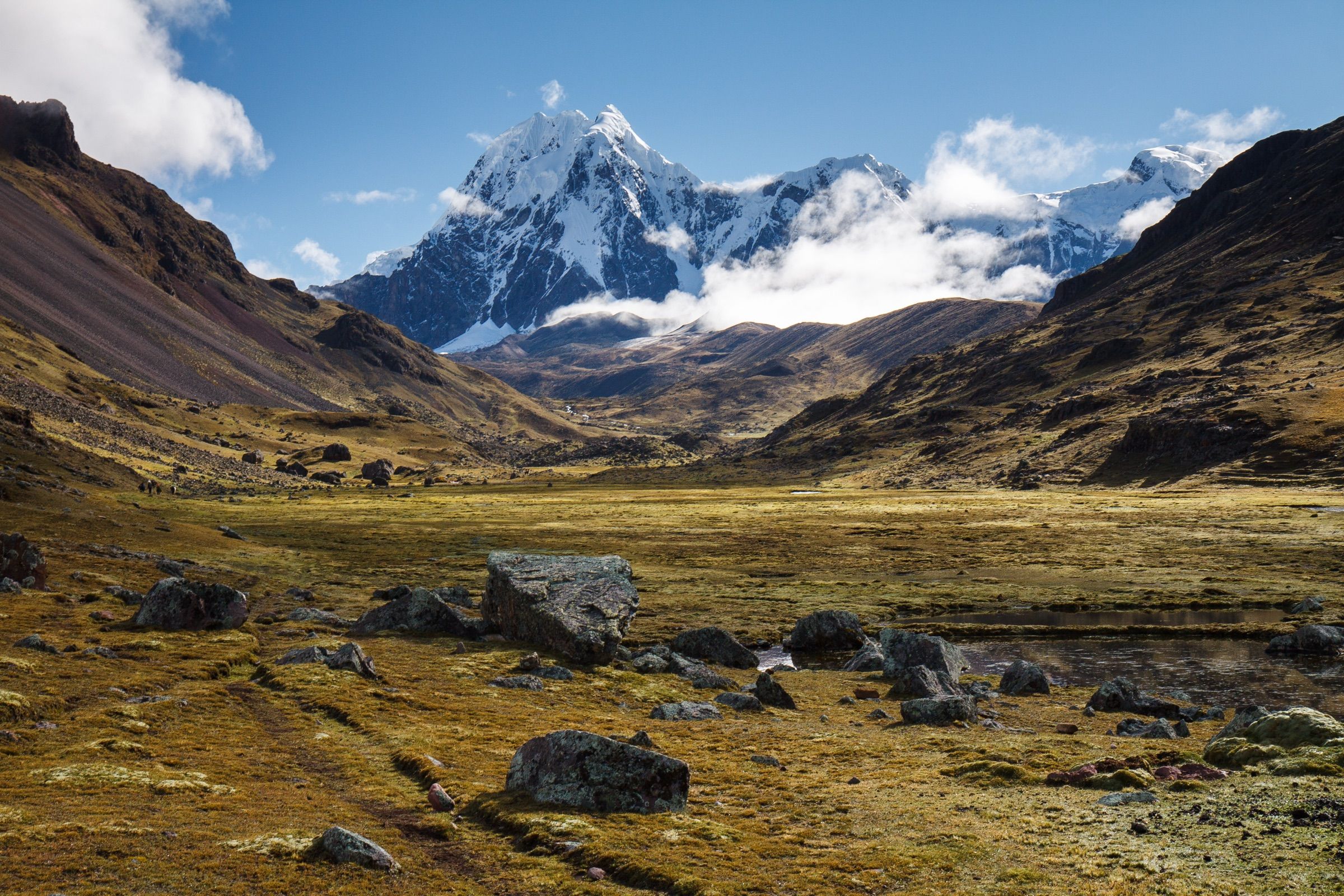
Snow-capped Ausangate above a golden, boulder-strewn puna valley 5–7 days

Trek · Cusco, Peru

Ausangate Trek

A circuit around Ausangate (6,384 m), the sacred mountain of Cusco, almost entirely above 4,500 m: glacial lakes, herds of alpacas, hot springs at both ends and the highest pass of any classic Peru trek, at about 5,200 m.

High point
5,200 m
Grade
Hard

FromUS$1,190 per person

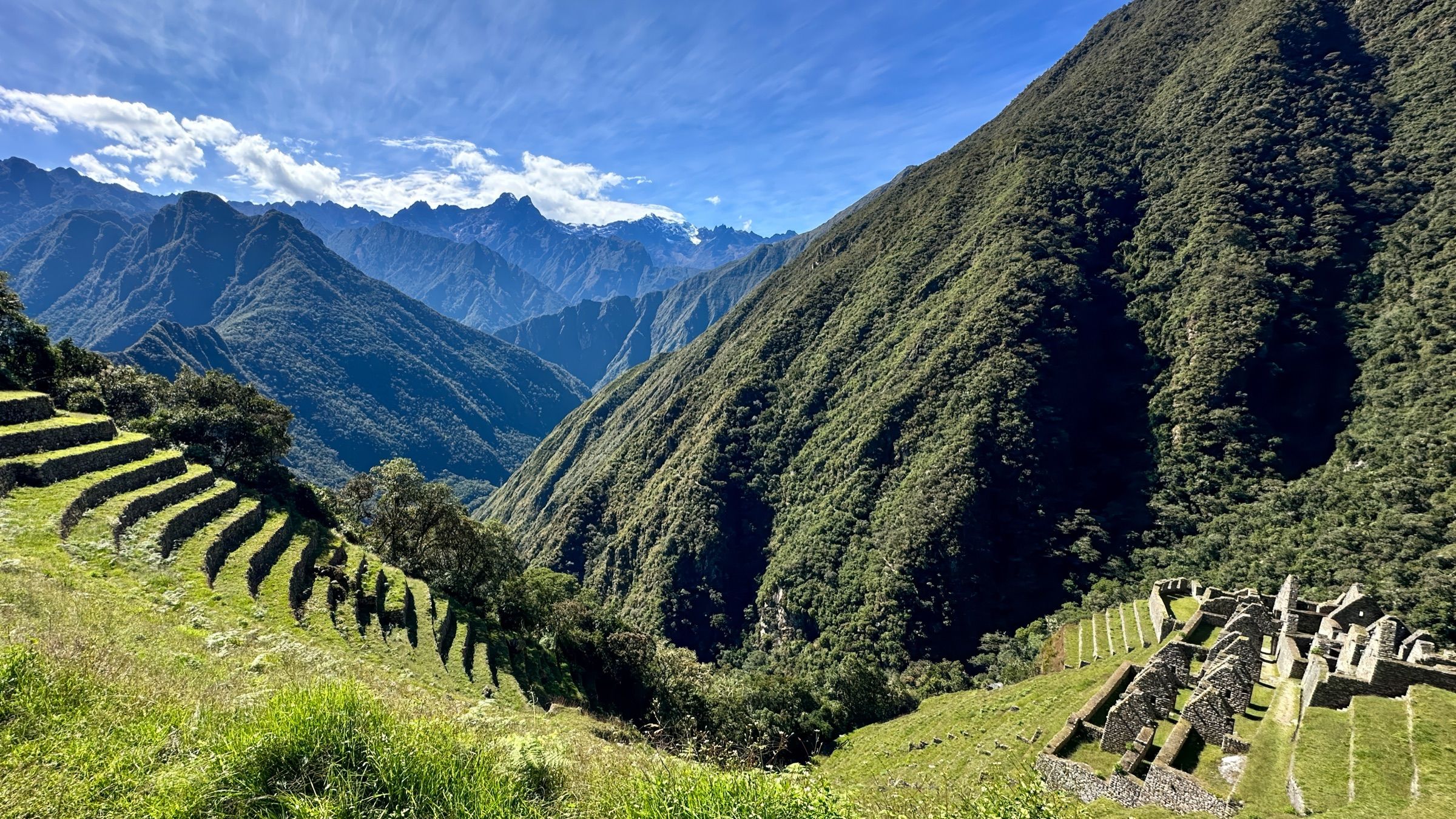
Inca terraces and ruins of Wiñay Wayna above a deep green valley on the Inca Trail 2–6 days

Trek · Cusco, Peru

Inca Trail to Machu Picchu

Four days on the original Inca road, past ruins that you can only reach on foot, over Dead Woman's Pass at 4,215 m and in through the Sun Gate at dawn. Permits are limited and sell out months ahead, so plan early.

High point
4,215 m
Grade
Moderate

FromUS$690 per person

How we run Peru treks

Our Peru hiking tours run with licensed local operators in Cusco and Huaraz. That is how Peruvian law and the Inca Trail permit system work, and it means the guides, cooks and arrieros on your trek live in the valleys you walk through. We design the route and, above all, the acclimatisation, then stay your point of contact before and during the trip.

Most Peru treks start high: Cusco is at about 3,400 m and Huaraz at 3,050 m, and the passes run from 4,200 to over 5,000 m. Our itineraries add nights lower down or day hikes before the first pass, which is the single biggest difference between a hard trek and a miserable one.

The dry season, May to September, is the main season for all the treks above. If you are also interested in Ecuador, our Ecuador hiking tours follow the same approach.

Turquoise glacial lake under a hanging glacier on the Salkantay trek route
A glacial lake on the Salkantay route.
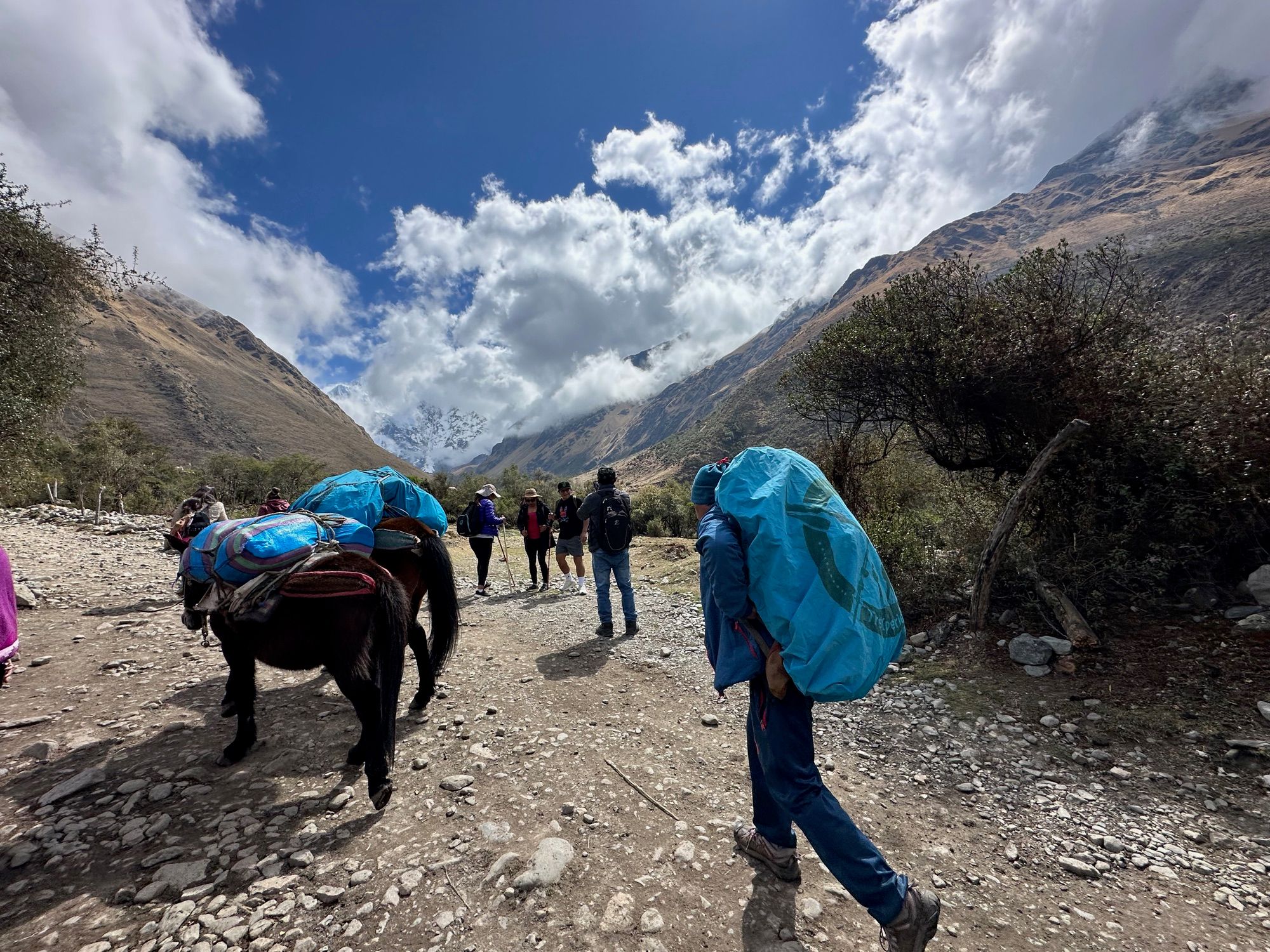
Trekker with a blue rain-covered backpack walking behind loaded pack mules on the Salkantay trail
Mules carry the camp; you walk with a daypack.
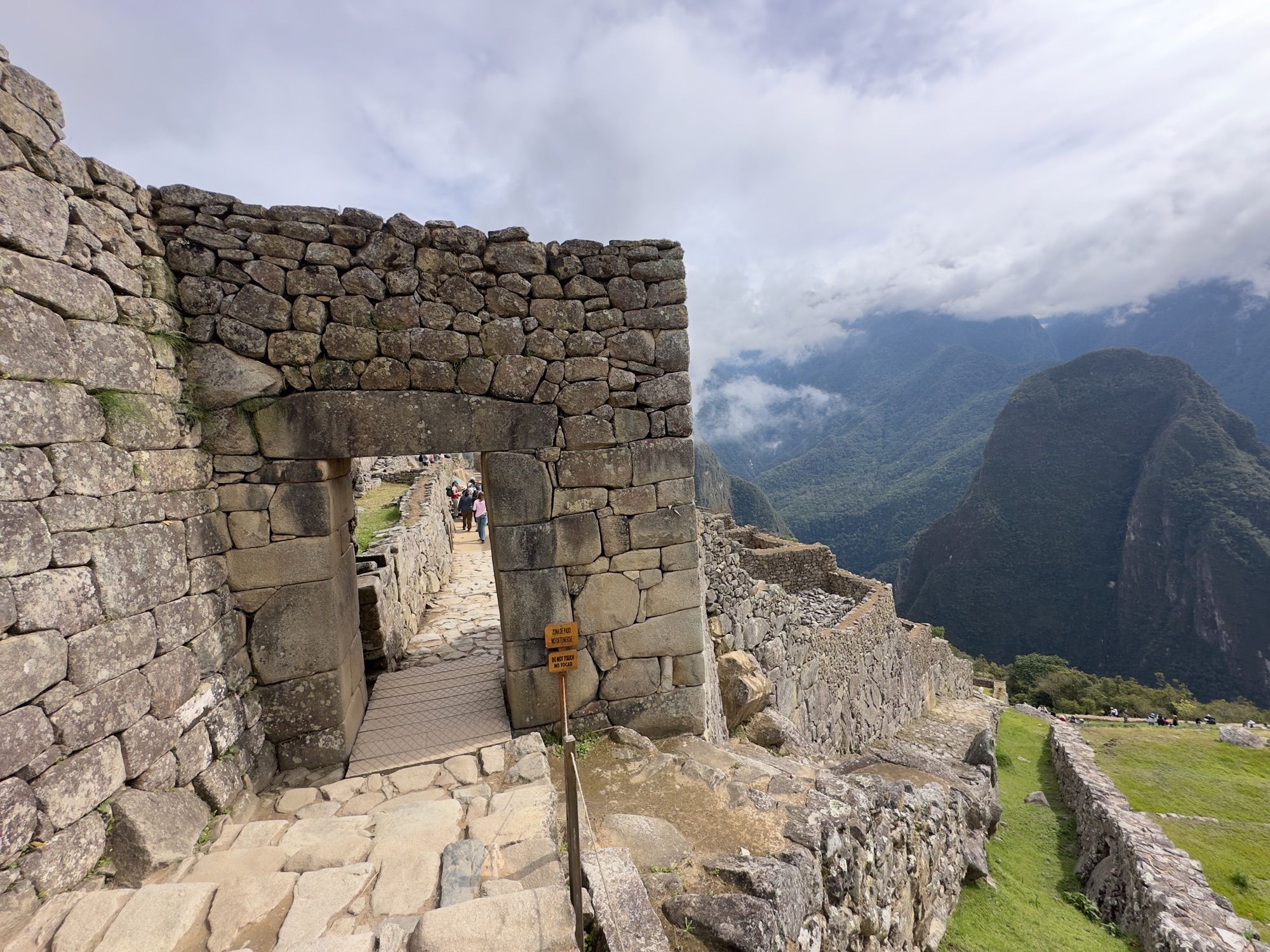
Stone Inca doorway at Machu Picchu with the green peaks of the Urubamba gorge behind
An Inca doorway at Machu Picchu.

Peru trekking FAQ

What is the best trek in Peru?

It depends on what you want. For Machu Picchu, the Salkantay trek is the most available and the Inca Trail the most famous. For big mountains and remote camping, the Huayhuash circuit is the hardest and, for many trekkers, the best. Ausangate is the highest of the classic treks.

Do you need a permit to trek in Peru?

Only the Inca Trail needs a permit: it is sold to licensed operators, limited to about 200 trekkers a day and closed in February. Salkantay, Lares, Choquequirao, Ausangate and Huayhuash need no trek permit, although Huayhuash charges community fees and Machu Picchu needs its own entry ticket.

When is the best time for trekking in Peru?

May to September is the dry season in the Andes and the main trekking season. January to March is the wettest period; the Inca Trail closes in February.

How do you deal with altitude on Peru treks?

We build acclimatisation into every itinerary: nights in the Sacred Valley before Salkantay, days in Huaraz before Huayhuash. Cusco sits at about 3,400 m and most passes are between 4,200 and 5,100 m, so the first days decide how the trek feels.

Who runs your treks in Peru?

Our Peru treks run with licensed local operators in Cusco and Huaraz, which is how Peruvian law and the Inca Trail permit system work. We design the itinerary and the acclimatisation, choose the partner and stay your point of contact.

Plan your trek in Peru

Tell us your dates, your fitness and which treks interest you. We will suggest the right route and build the acclimatisation around it.