Planning
Trekking in Ecuador: The Complete Guide
For its size, nowhere packs more variety into a trek than Ecuador. In a single trip you can walk a high-Andes village loop, climb a glaciated volcano, and hike across an active caldera in the Galápagos — most of it within a few hours of Quito. This is the guide we’d give a friend planning their first trekking trip to Ecuador.
Where to trek in Ecuador
Ecuador’s trekking falls into a few clear regions:
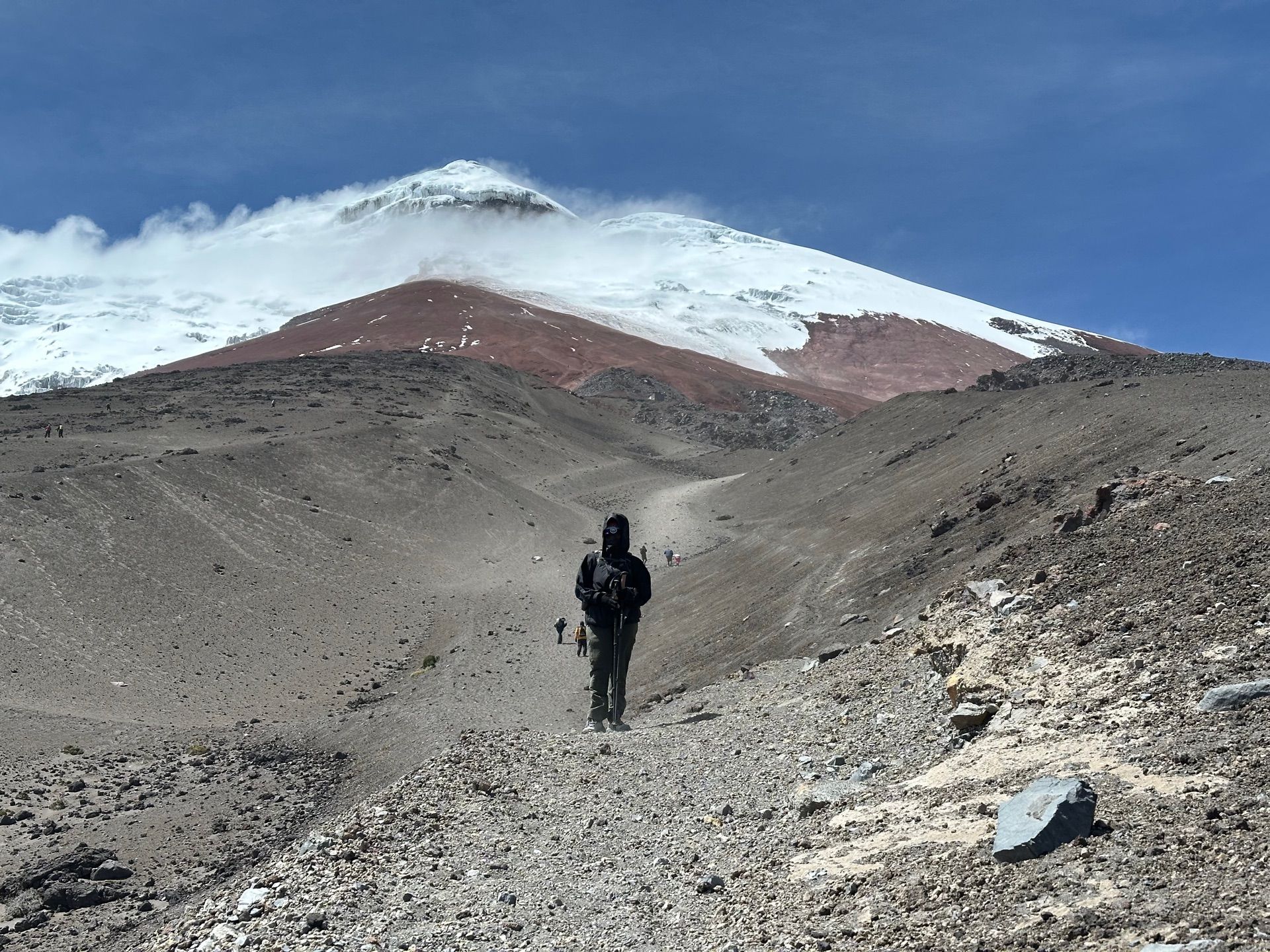
- The Avenue of the Volcanoes — the corridor south of Quito, home to Cotopaxi, Chimborazo, the Ilinizas and more. Glaciated summits and high paramo. See our Ecuador volcano climbing hub.
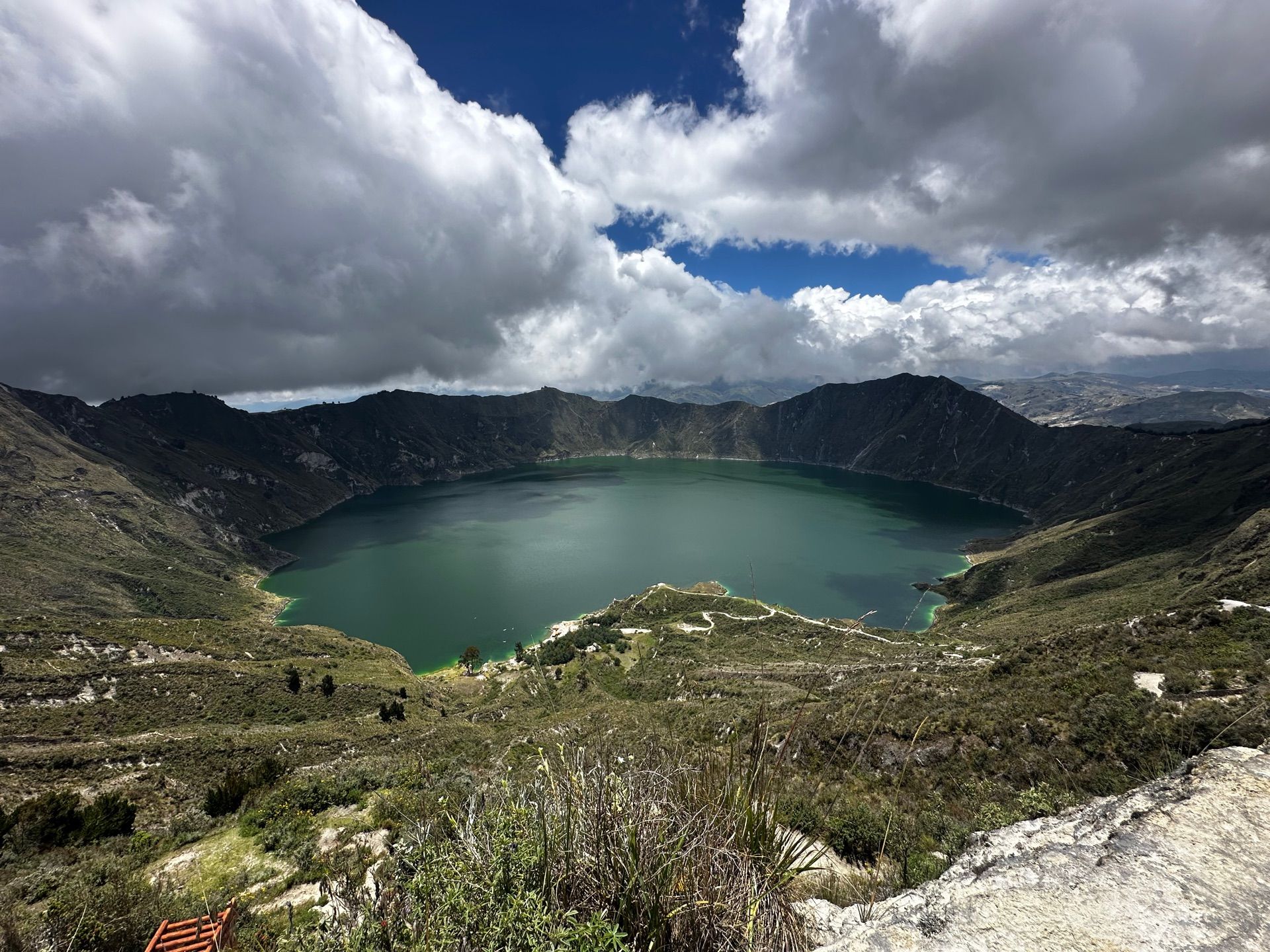
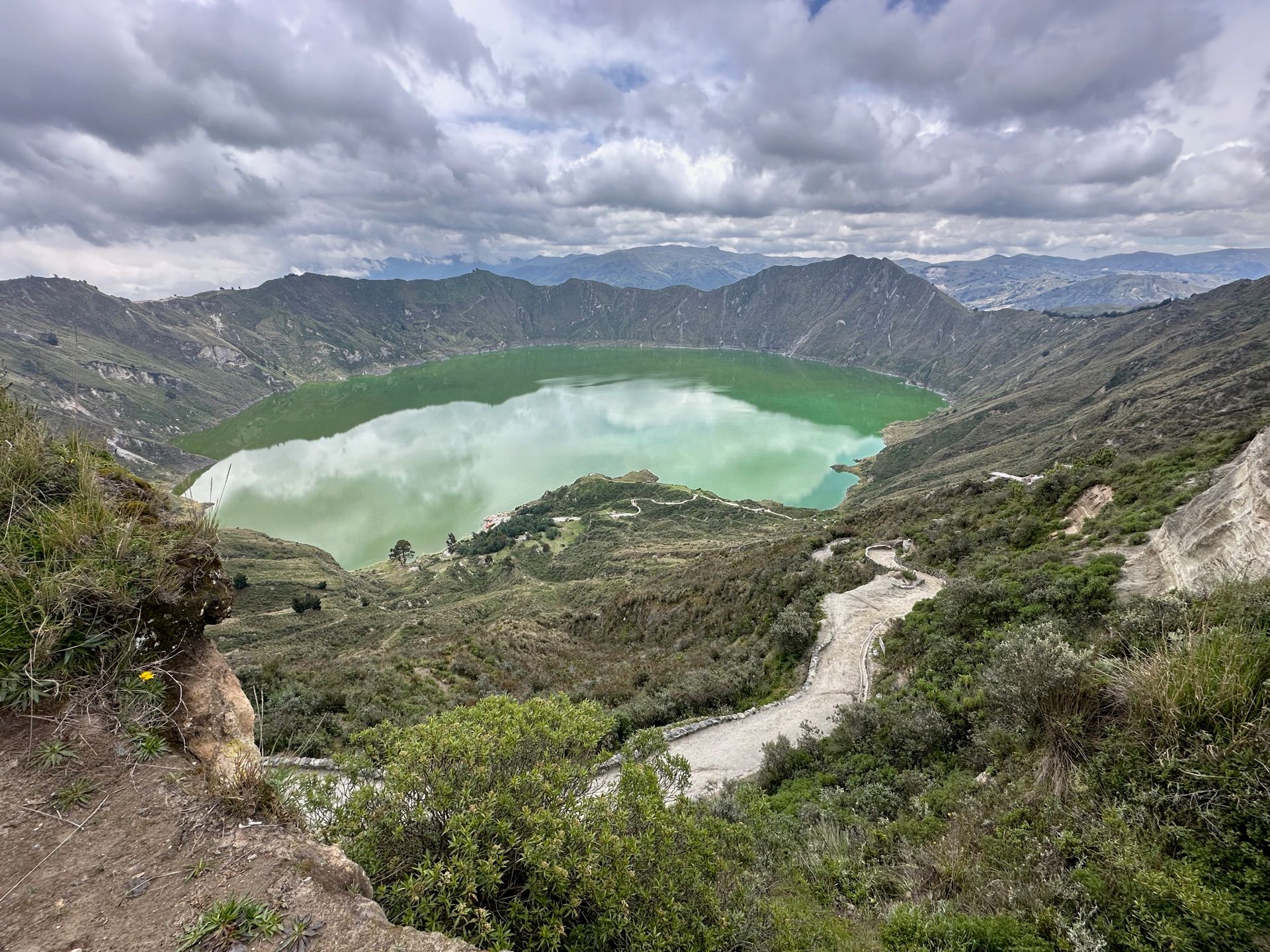
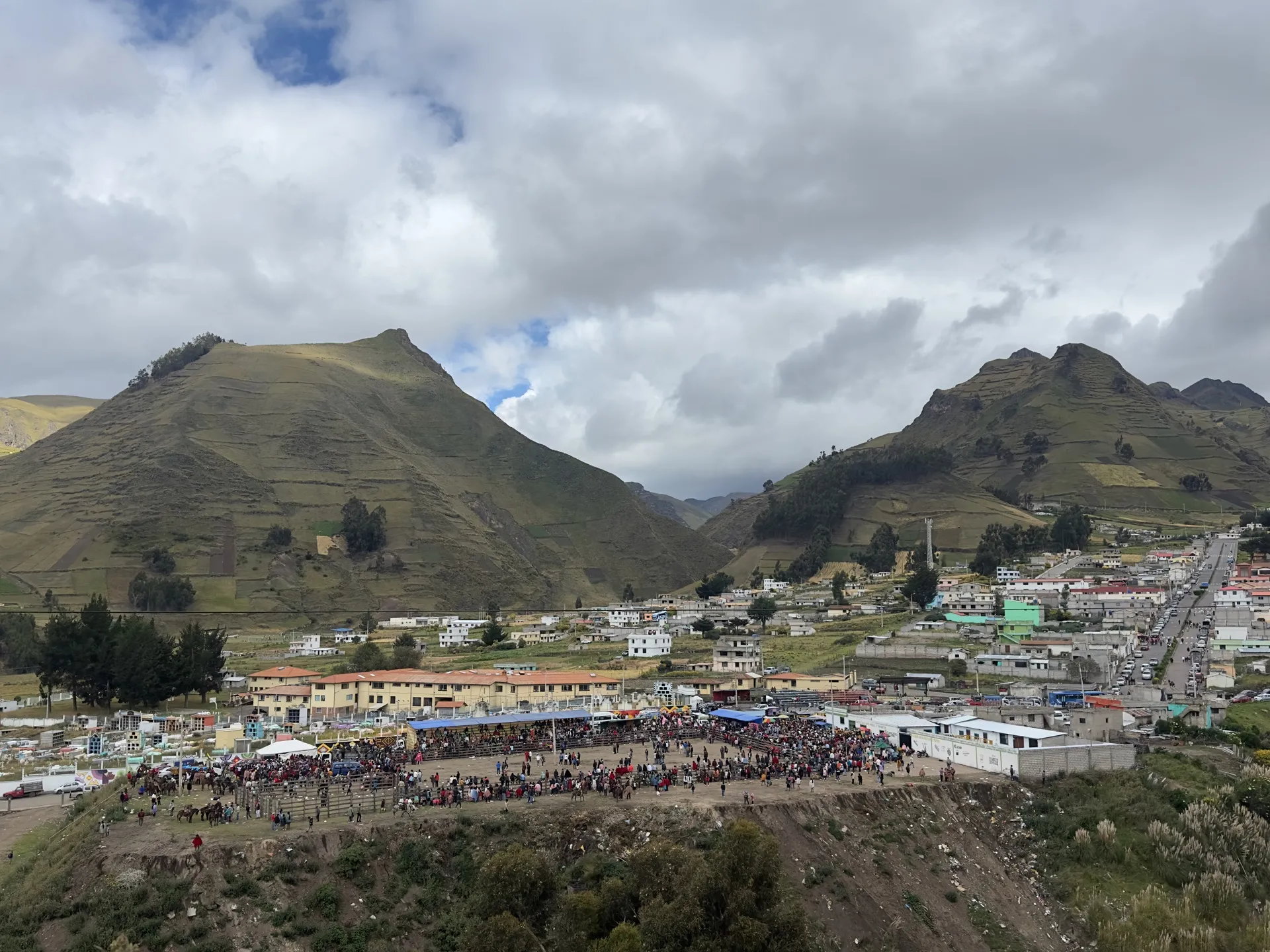
- The central highlands — the classic Quilotoa Loop, a village-to-village trek to a turquoise crater lake, and the wild El Altar trek into a collapsed volcano.
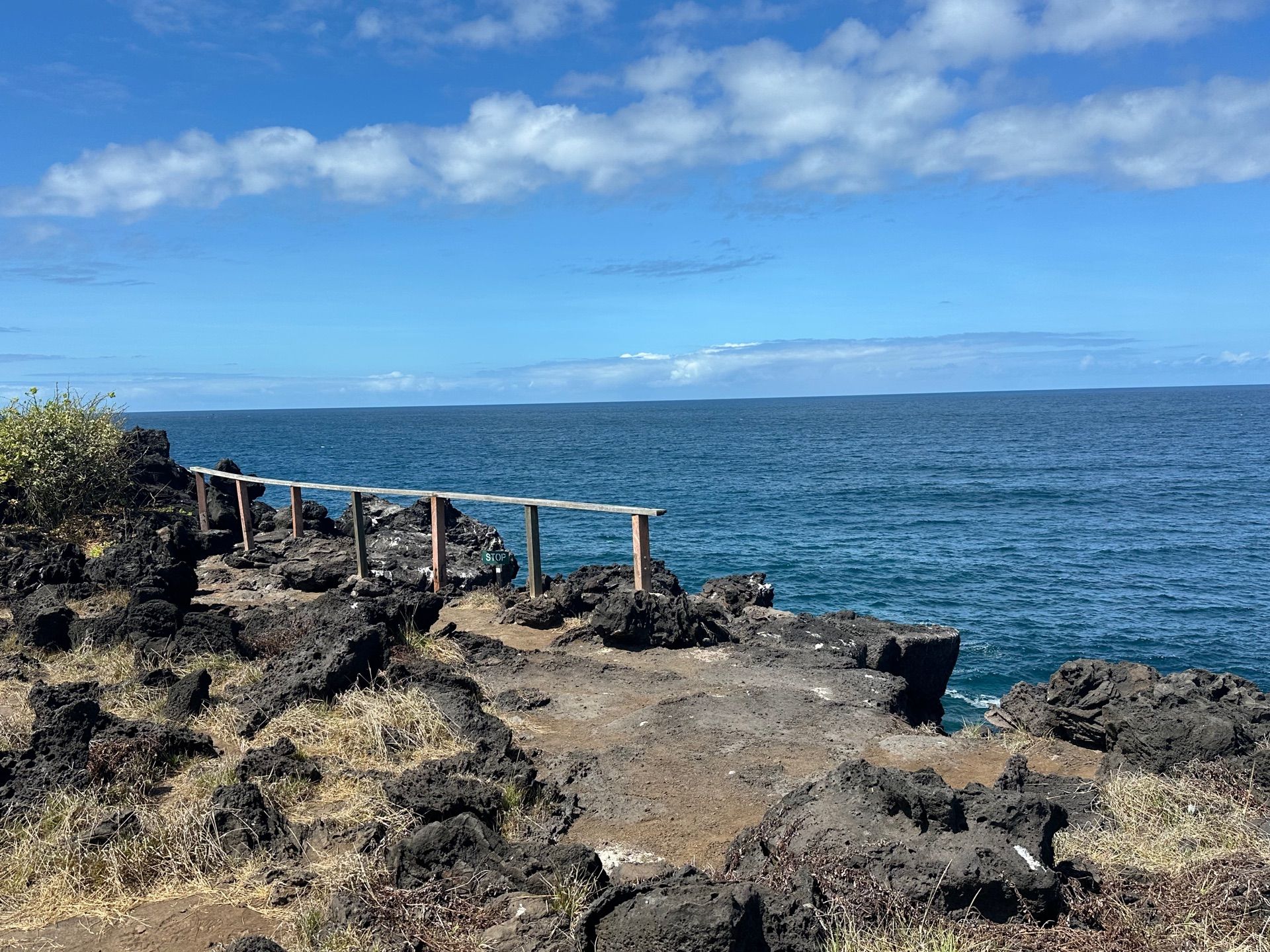
- The Galápagos — land-based hiking on Isabela and Santa Cruz: Sierra Negra, the Wall of Tears and coastal trails.
| Region | Signature routes | Difficulty | Altitude |
|---|---|---|---|
| Avenue of the Volcanoes | Cotopaxi, Chimborazo, the Ilinizas | Hard (glacier, altitude) | up to 6,263 m |
| Central highlands | Quilotoa Loop, El Altar | Moderate | 3,900–4,500 m |
| Galápagos | Sierra Negra, Wall of Tears, coastal trails | Easy–moderate | sea level |
Not sure which suits you? Our best hikes in Ecuador ranks them by difficulty and days.
When to go
Ecuador sits on the equator, so think wet and dry, not summer and winter. The most reliable windows are December–January and June–September — drier, clearer, and best for both trekking and summit success. The Galápagos are good year-round. (More detail in our best time to climb Cotopaxi guide.)
Altitude is the thing to plan for
The single biggest factor in enjoying — and finishing — a trek in Ecuador is altitude. Quito itself is at 2,850 m, and the volcano summits push past 5,000 and 6,000 m. Arrive, take it easy for a day or two, and build up gradually. Our altitude and acclimatization guide covers exactly how. The Galápagos and lower treks have no altitude issue.
How hard is trekking in Ecuador?
It ranges widely:
- Easy–moderate: Galápagos hikes (Sierra Negra, Tortuga Bay), short highland walks
- Moderate: the Quilotoa Loop, El Altar — real multi-day trekking at altitude, no technical skills
- Hard (altitude): Cotopaxi, Chimborazo — non-technical glacier climbs that demand fitness and acclimatization
There’s a route for most fitness levels, as long as you respect the altitude.
Guided or self-guided?
You can walk some routes self-guided (the Quilotoa Loop, Tortuga Bay). But Ecuador has two strong reasons to go guided:
- The big volcanoes legally require a licensed guide above 5,000 m, and a few Galápagos trails require a naturalist guide.
- A local turns a hike into an experience — the villages, the geology, the right lodge, the navigation, and the confidence to keep you safe.
We run everything as small-group, multi-day trips with local ASEGUIM-certified guides.
What to pack
- Broken-in, waterproof boots and warm layers (it’s cold at altitude, year-round)
- A proper rain shell — Andean weather changes fast
- Sun protection: the equatorial sun at altitude is fierce
- A daypack, water, headlamp; for the volcanoes, we provide the technical gear
Start planning
The best Ecuador treks are multi-day, properly acclimatized, and guided by people who know the mountains. Tell us your dates, fitness and what draws you, and we’ll design the right trip — from a 3-day crater-lake loop to a multi-volcano expedition.
Frequently asked questions
Is Ecuador good for trekking?
Yes — for its size, few countries pack in more variety. Within a few hours of Quito you can walk a high-Andes village loop, climb a glaciated volcano, or hike across an active caldera in the Galápagos. The terrain is world-class and most of it is easy to reach.
When is the best time to trek in Ecuador?
The most reliable windows are December–January and June–September — drier and clearer, and best for both trekking and summit success. The Galápagos are good year-round. Ecuador is on the equator, so think wet and dry seasons rather than summer and winter.
Do you need a guide to trek in Ecuador?
Some routes you can do self-guided, like the Quilotoa Loop or Tortuga Bay. But the glaciated volcanoes above 5,000 m legally require a licensed mountain guide, and some Galápagos trails need a naturalist guide. A local also adds the villages, navigation, the right lodges and safety.
How hard is trekking in Ecuador?
It ranges from easy to very hard. Galápagos hikes and short highland walks are easy–moderate; the Quilotoa Loop and El Altar are moderate multi-day treks; Cotopaxi and Chimborazo are hard, altitude-driven glacier climbs. There's a route for most fitness levels, as long as you respect the altitude.
Do you need to acclimatize before trekking in Ecuador?
For anything high, yes. Quito sits at 2,850 m and the volcano summits pass 5,000–6,000 m, so altitude is the biggest factor in finishing a trek. Arrive, take it easy for a day or two, and build up gradually. The Galápagos and lower treks have no altitude issue.