Ecuador
The Best Hikes & Treks in Ecuador
Ecuador packs an absurd amount of hiking into a small country: glaciated volcanoes, crater lakes, cloud-forest trails and island trekking, almost all reachable within a day of Quito. But the best hikes in Ecuador are the multi-day ones — the routes where you sleep on the mountain and earn the view.
Here are the ones we think are worth the trip, roughly from most accessible to most demanding, with an honest word on each.
| Hike | Type | Difficulty | Days | Guide required? |
|---|---|---|---|---|
| Quilotoa Loop | Village-to-village trek | Moderate | 3 | No (better guided) |
| Galápagos hiking | Island trails | Easy–moderate | 4–6 | Some trails |
| El Altar | Wilderness trek | Moderate–hard | 3 | Recommended |
| Iliniza Norte | Acclimatization climb | Hard scramble | 2 | Yes (above 5,000 m) |
| Cotopaxi | Glacier climb | Hard (altitude) | 2–5 | Yes (by law) |
| Chimborazo | Glacier climb | Very hard (altitude) | 4–6 | Yes (by law) |
| Avenue of the Volcanoes | Multi-summit expedition | Hard | 8–12 | Yes |
1. The Quilotoa Loop — the classic multi-day trek
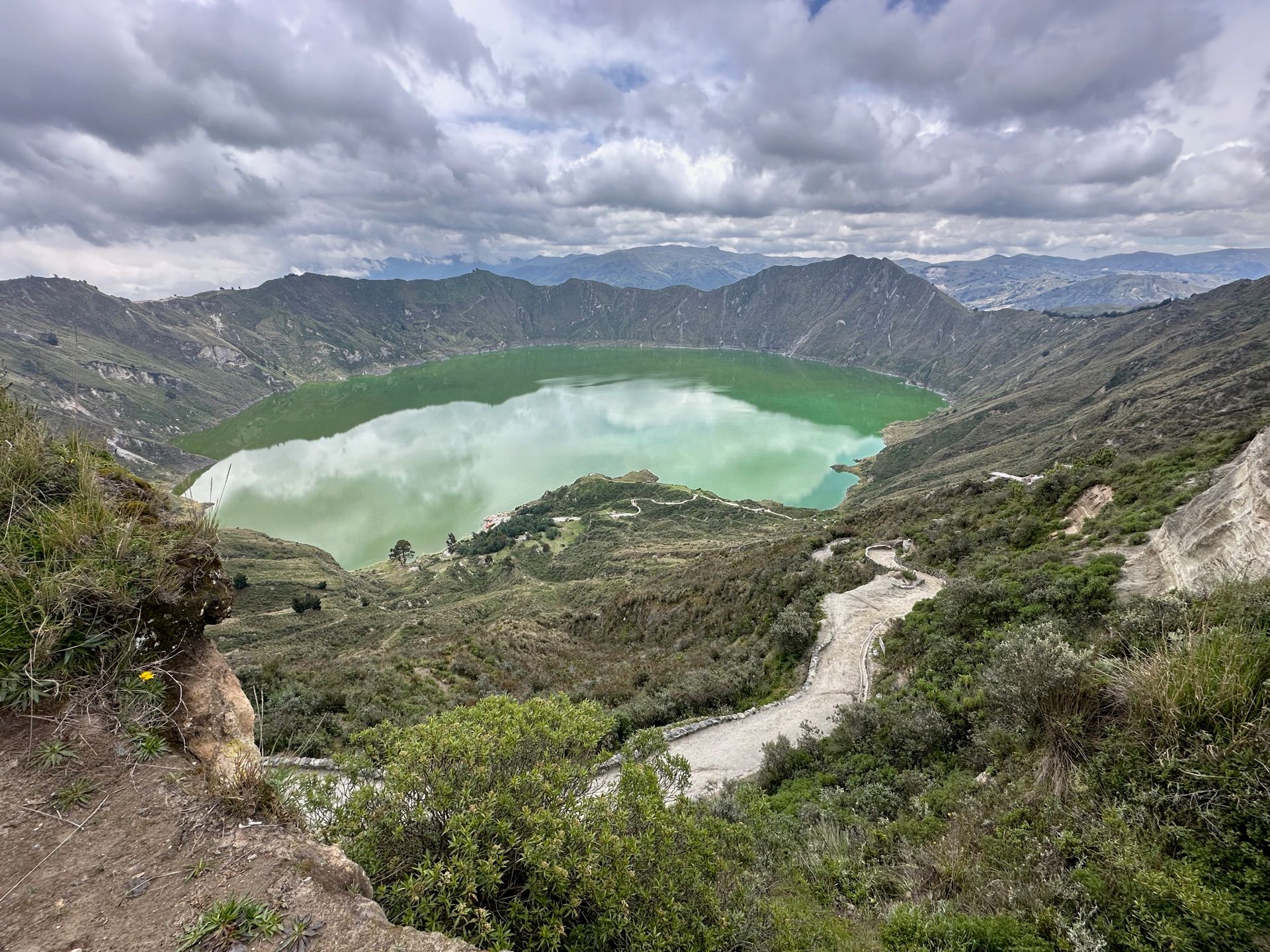
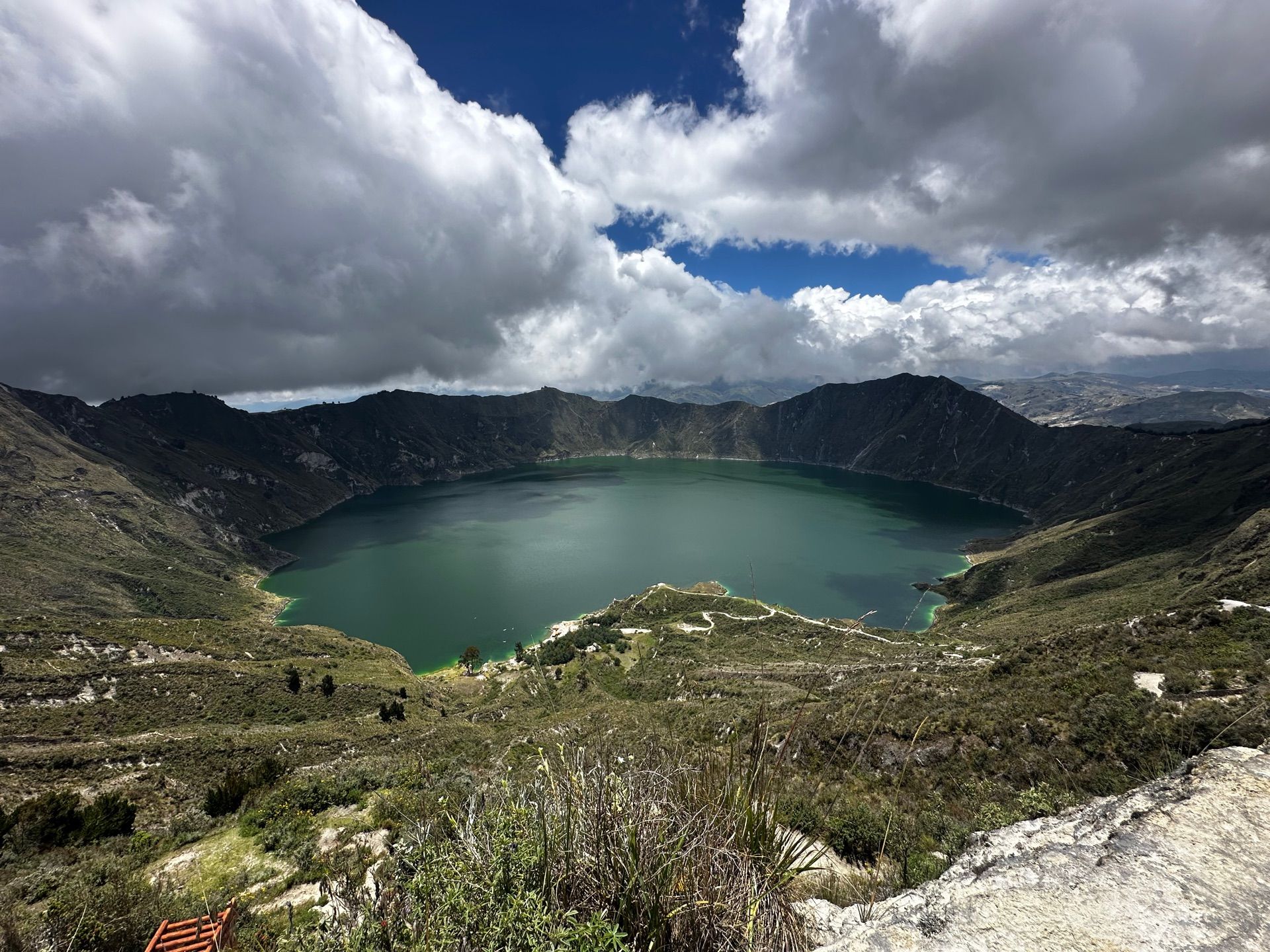
If you do one trek in Ecuador, make it the Quilotoa Loop. Three days of village-to-village walking through the high Andes, sleeping in family-run lodges, ending at the rim of a turquoise crater lake at 3,914 m. No glacier, no technical skills — just genuinely beautiful, moderate hiking.
- Difficulty: Moderate · Days: 3 · No technical skills
2. Galápagos hiking — the islands on foot
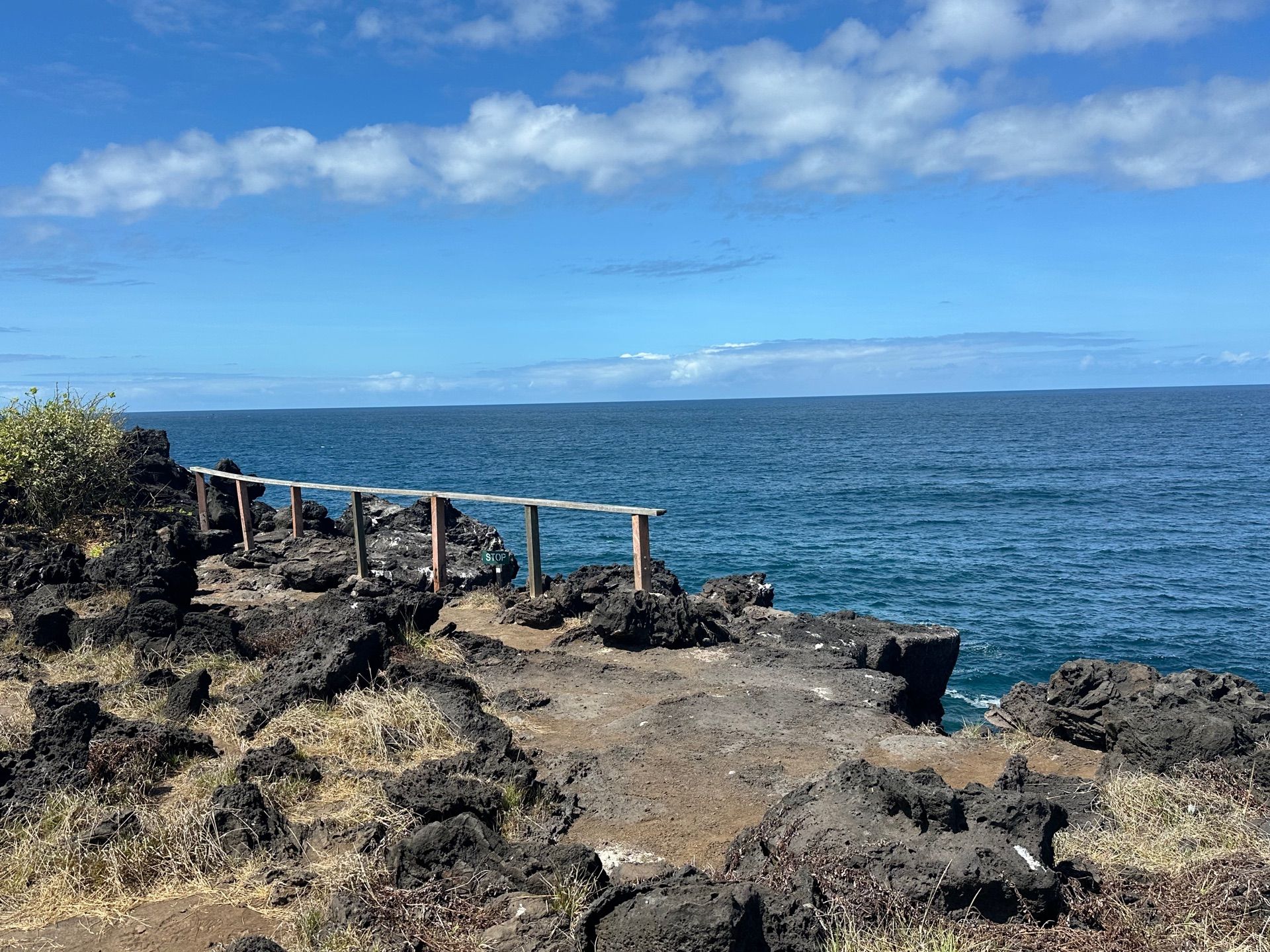
Most people see the Galápagos from a boat. Hiking the Galápagos — land-based, island to island — is the secret alternative: Sierra Negra’s giant caldera, the Wall of Tears on Isabela, and coastal trails alive with wildlife.
- Difficulty: Easy–moderate · Days: 4–6 · Land-based, not a cruise
3. El Altar — Ecuador’s hidden caldera
The El Altar trek into Sangay National Park is the wild card: a muddy, remote, genuinely wild walk into a collapsed volcano with a turquoise crater lake. Few foreigners ever do it. Pack rubber boots.
- Difficulty: Moderate–challenging · Days: 3 · Remote & muddy
4. Iliniza Norte — the gateway summit
A step up from trekking into real altitude. Iliniza Norte (5,126 m) is a non-technical scramble that’s the perfect proving ground — and the classic acclimatization climb before the big glaciated volcanoes.
- Difficulty: Challenging scramble · Days: 2 · Best acclimatization climb
5. Cotopaxi — the iconic summit
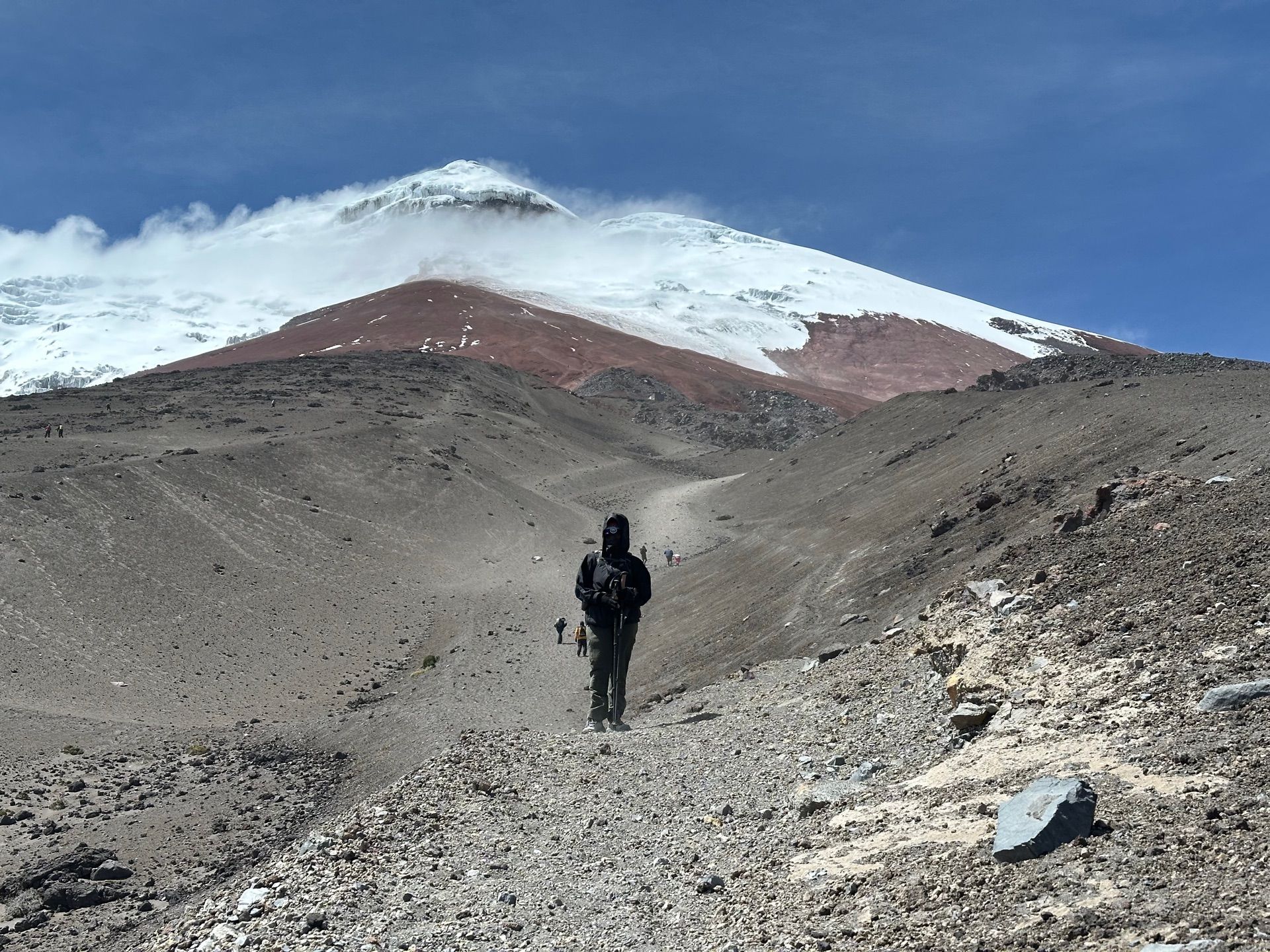
Climbing Cotopaxi, the 5,897 m glaciated cone, is the bucket-list one — and very doable for fit hikers with proper acclimatization. Non-technical glacier travel, a midnight start, and a sunrise summit you won’t forget.
- Difficulty: Hard (altitude) · Days: 2–5 · Glacier, non-technical
6. Chimborazo — the highest, and closest to the sun
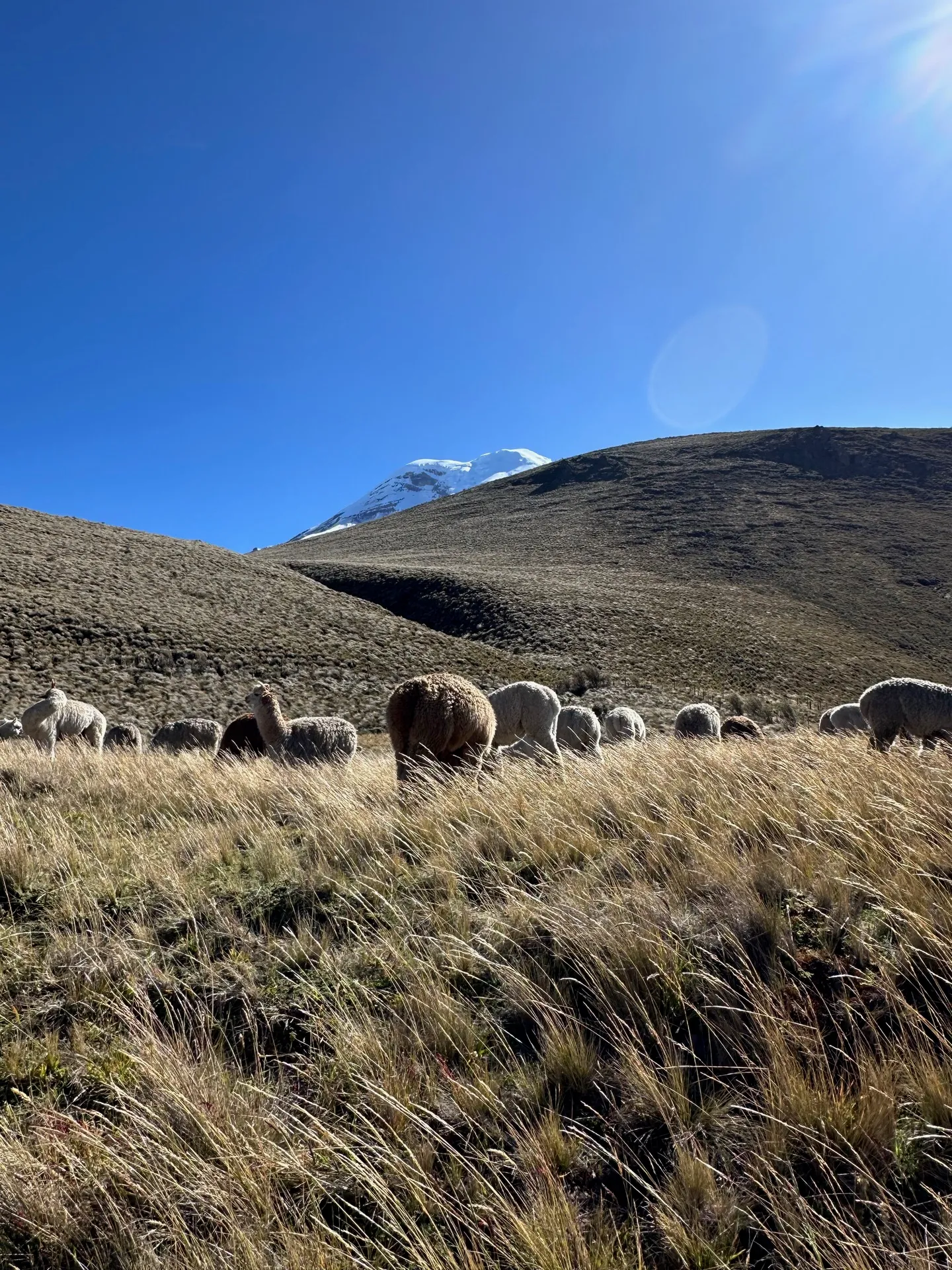
The big one. Climbing Chimborazo at 6,263 m takes you to Ecuador’s highest point — and, thanks to the equatorial bulge, the farthest point from the centre of the Earth. Best attempted after Cotopaxi.
- Difficulty: Very hard (altitude) · Days: 4–6 · Ecuador’s highest
7. The Avenue of the Volcanoes — the full ladder
Have two weeks? String the volcanoes together. Our Ecuador volcano climbing programs build the acclimatization ladder — Iliniza → Cotopaxi → Chimborazo — into one expedition, the best way to climb high and safely.
- Difficulty: Hard · Days: 8–12 · Multi-summit expedition
How to choose
- Want a pure trek, no climbing? Quilotoa Loop or El Altar.
- Want the islands? Galápagos hiking.
- Want a summit? Start with Iliniza Norte, then Cotopaxi, then Chimborazo.
Every one of these is best done as a guided multi-day trip with proper acclimatization. Tell us what you’re drawn to and we’ll build the right itinerary.
Frequently asked questions
What is the best hike in Ecuador?
For most people the Quilotoa Loop is the best hike in Ecuador — a 3-day village-to-village trek to a turquoise crater lake, moderate and non-technical. If you want a summit instead, Cotopaxi (5,897 m) is the iconic glaciated climb, very doable for fit hikers with proper acclimatization.
What is the best multi-day trek in Ecuador?
The Quilotoa Loop is the classic multi-day trek: three days through the high Andes sleeping in family-run lodges. For something wilder and remote, the El Altar trek into a collapsed volcano is the standout, though it's muddy and harder to reach.
Do you need a guide to hike in Ecuador?
It depends on the route. The glaciated volcanoes above 5,000 m (Cotopaxi, Chimborazo, Iliniza Sur) legally require a licensed mountain guide, and a few Galápagos trails need a naturalist guide. Lower treks like the Quilotoa Loop can be walked self-guided, but a local guide adds the villages, navigation and safety.
When is the best time to go hiking in Ecuador?
The driest, clearest windows are December–January and June–September — best for both trekking and summit success. The Galápagos are good to hike year-round. Ecuador sits on the equator, so plan around wet and dry seasons rather than summer and winter.
Can a beginner hike Ecuador's volcanoes?
Yes. Climbs like Cotopaxi are non-technical glacier walks — no prior mountaineering is needed — but you do need good hiking fitness and several days of acclimatization. Most people start with an acclimatization peak like Iliniza Norte before a big summit.