Planning
Altitude & Acclimatization for Climbing in Ecuador
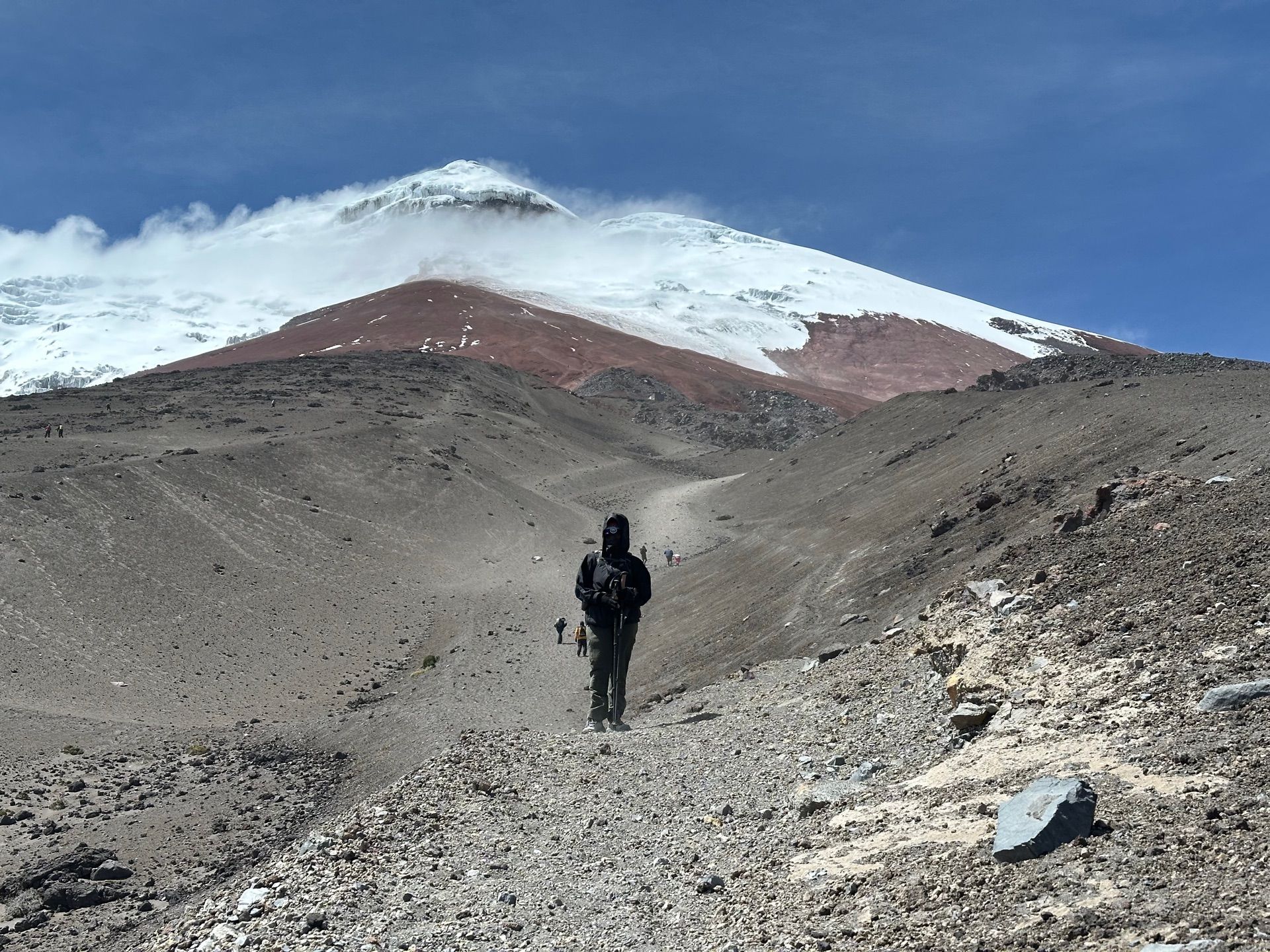
Ask any guide in Ecuador what separates the climbers who summit from those who turn back, and the answer is rarely fitness. It’s acclimatization — how well your body has adapted to thin air before summit night. Get it right and a Cotopaxi or Chimborazo summit is within reach for most fit hikers. Get it wrong and even strong athletes get turned around.
This is the guide we wish every climber read before booking.
Why altitude is the real challenge
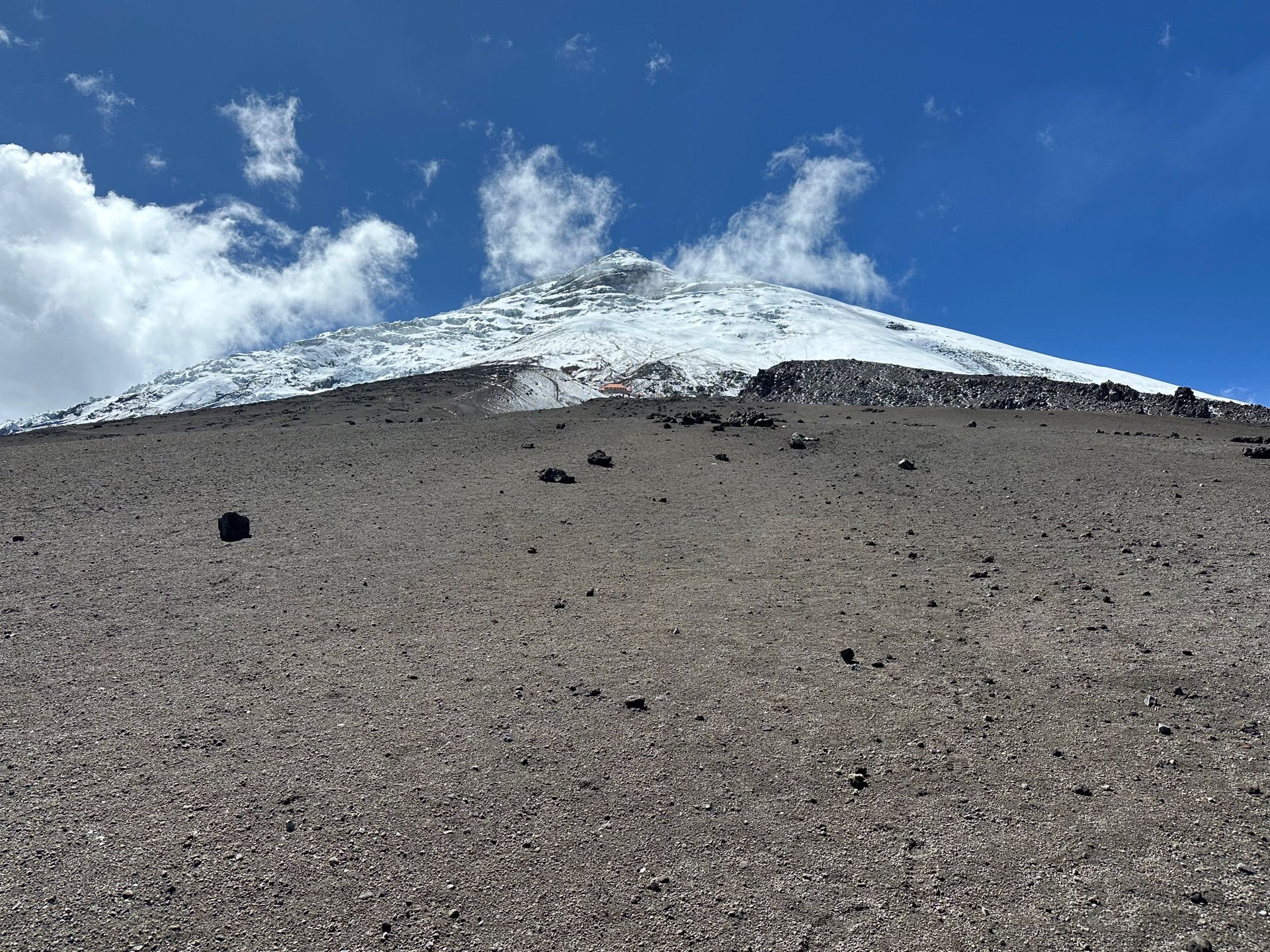
Ecuador’s great climbs are not technical. Climbing Cotopaxi is a walk on a glacier in crampons; there’s no rock climbing. What makes it hard is the air. At the 5,897 m summit of Cotopaxi you breathe roughly half the oxygen you do at sea level. On Chimborazo at 6,263 m, it’s barely over 40%.
Your body can adapt to that — it makes more red blood cells and adjusts your breathing — but it takes days, not hours. Arrive at a high refuge straight from sea level and your body simply hasn’t caught up.
Altitude sickness: what to watch for
Acute mountain sickness (AMS) is your body telling you that you’ve gone up too fast. The key is knowing which signs are normal and which mean you must go down:
| Level | What you feel | What to do |
|---|---|---|
| Mild (AMS) | Headache, nausea or loss of appetite, broken sleep, breathless or tired on exertion | Stop going up, rest at the same altitude, hydrate. It usually eases within a day. |
| Serious (HACE / HAPE) | Confusion, loss of coordination, breathlessness at rest, a persistent wet cough, a severe headache that won’t ease | Descend immediately — this is a medical emergency, not something to sleep off. |
Mild symptoms are common and manageable. The serious signs — high-altitude cerebral or pulmonary oedema (HACE/HAPE) — are rare but dangerous, and the only real treatment is to lose altitude fast. A good guide watches for all of this and has the authority to turn you around; that’s a feature, not a failure.
A staged acclimatization plan
The golden rule of acclimatization is “climb high, sleep low” — gain altitude during the day, then sleep a little lower so your body recovers. A sensible build-up for a big Ecuadorian summit looks like this:
- Arrive in Quito (2,850 m) and take it easy for a day or two. Hydrate, walk gently, skip the alcohol.
- Hike a 4,000 m peak — Pasochoa or Rumiñahui — to wake up your physiology.
- Push to ~5,000 m on an acclimatization summit like the Ilinizas before attempting Cotopaxi.
- Then go for the summit, with a refuge night at altitude first.
This is exactly why we run our climbs as multi-day, acclimatized programs rather than rushed two-day dashes from Quito. The extra days aren’t padding — they’re the difference between a safe summit and a miserable retreat. For Chimborazo, the best preparation of all is to climb Cotopaxi first; many climbers do both back-to-back.
Practical tips that actually help
- Hydrate hard. Altitude dries you out fast; aim for 3–4 litres of water a day.
- Go slow. A steady, unhurried pace beats bursts of effort every time.
- Eat carbs. Your body burns through energy at altitude even when your appetite drops.
- Sleep matters. Poor sleep is normal up high, but the more rest you get on the build-up days, the better.
- Ask about Diamox. Acetazolamide can help some climbers acclimatize; talk to your doctor before the trip.
The honest takeaway
You cannot shortcut altitude. No amount of gym fitness replaces days spent letting your body adapt. The good news is that with a proper acclimatized itinerary, climbers with no previous mountaineering experience summit Ecuador’s volcanoes all the time.
If you build the days in, the mountains open up. If you don’t, they don’t — and we’d rather tell you that now than on summit night.
Frequently asked questions
How long does it take to acclimatize for climbing in Ecuador?
Plan on several days. A sensible build-up is a day or two in Quito (2,850 m), a 4,000 m day hike, then an acclimatization climb to around 5,000 m before attempting a big summit — roughly 5 to 8 days in total. The more time you spend high beforehand, the higher your summit chances.
Can you get altitude sickness in Quito?
Yes. At 2,850 m some visitors feel mild altitude symptoms — headache, tiredness, breathlessness on stairs — for the first day or two. It's usually mild and passes; take it easy, hydrate and avoid alcohol when you arrive.
Does Diamox help with altitude sickness?
Acetazolamide (Diamox) can help some climbers acclimatize faster and is widely used on the Ecuadorian volcanoes. It isn't a substitute for a proper staged ascent, and it has side effects, so talk to your doctor before the trip and decide together.
How do you avoid altitude sickness climbing Cotopaxi?
Acclimatize properly before summit night — don't rush straight from sea level to the refuge. Climb high and sleep low on the build-up days, hydrate hard (3–4 litres a day), go slow, eat carbs, and climb with a guide who can spot the warning signs and turn you around if needed.
What are the warning signs of serious altitude sickness?
Confusion, loss of coordination, breathlessness at rest, a persistent wet cough or a severe headache that won't ease are signs of HACE or HAPE — high-altitude cerebral or pulmonary oedema. These are emergencies: descend immediately. Mild headache, nausea and poor sleep are normal and manageable.
Do you need to be very fit to climb at altitude in Ecuador?
You need good hiking fitness, but altitude — not strength — is the deciding factor. With a proper acclimatized itinerary, fit hikers with no mountaineering experience summit Cotopaxi and Chimborazo regularly. No amount of gym fitness replaces days spent letting your body adapt.