Planning
The Best Time to Climb Cotopaxi (and Ecuador's Volcanoes)
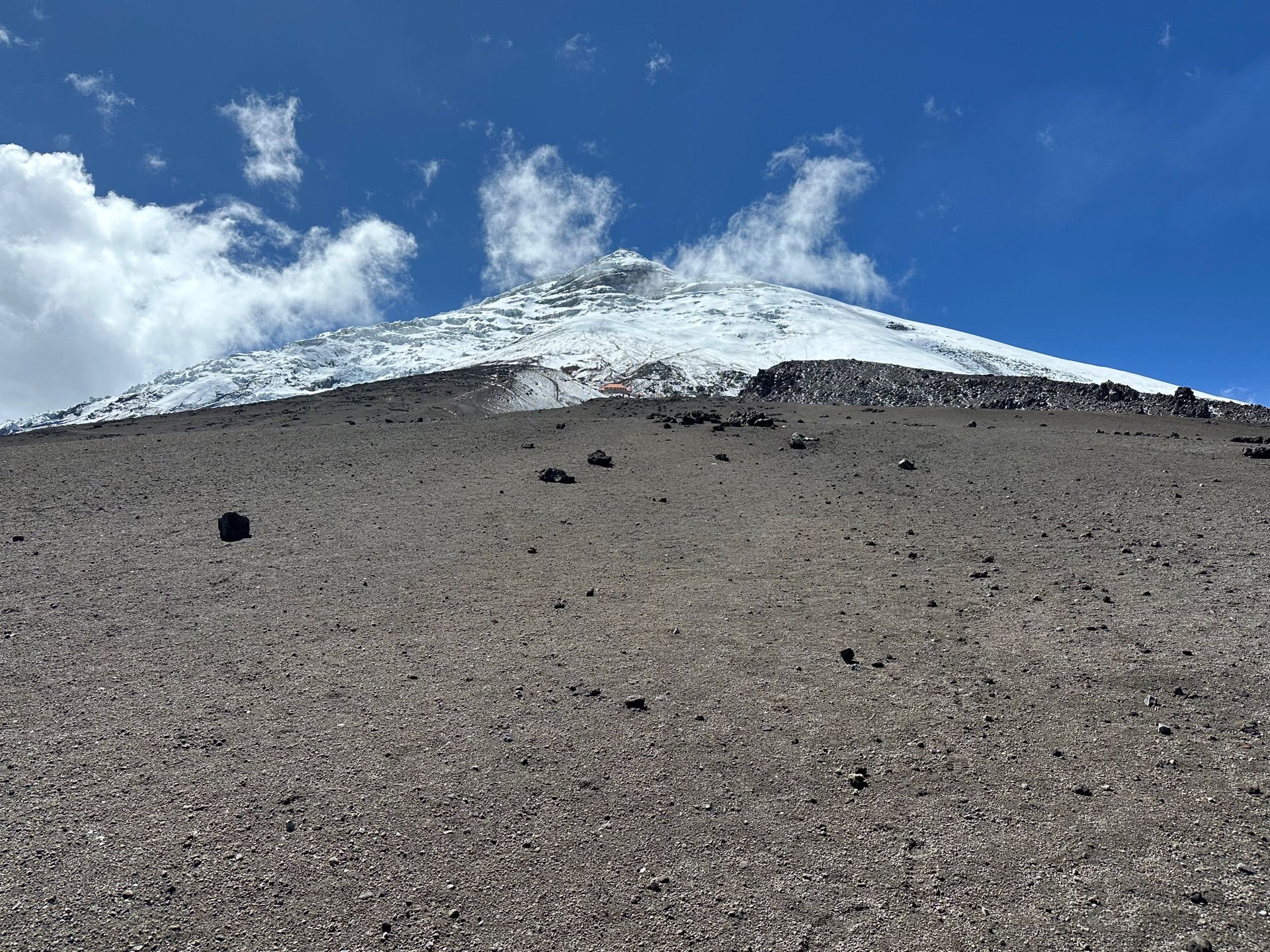
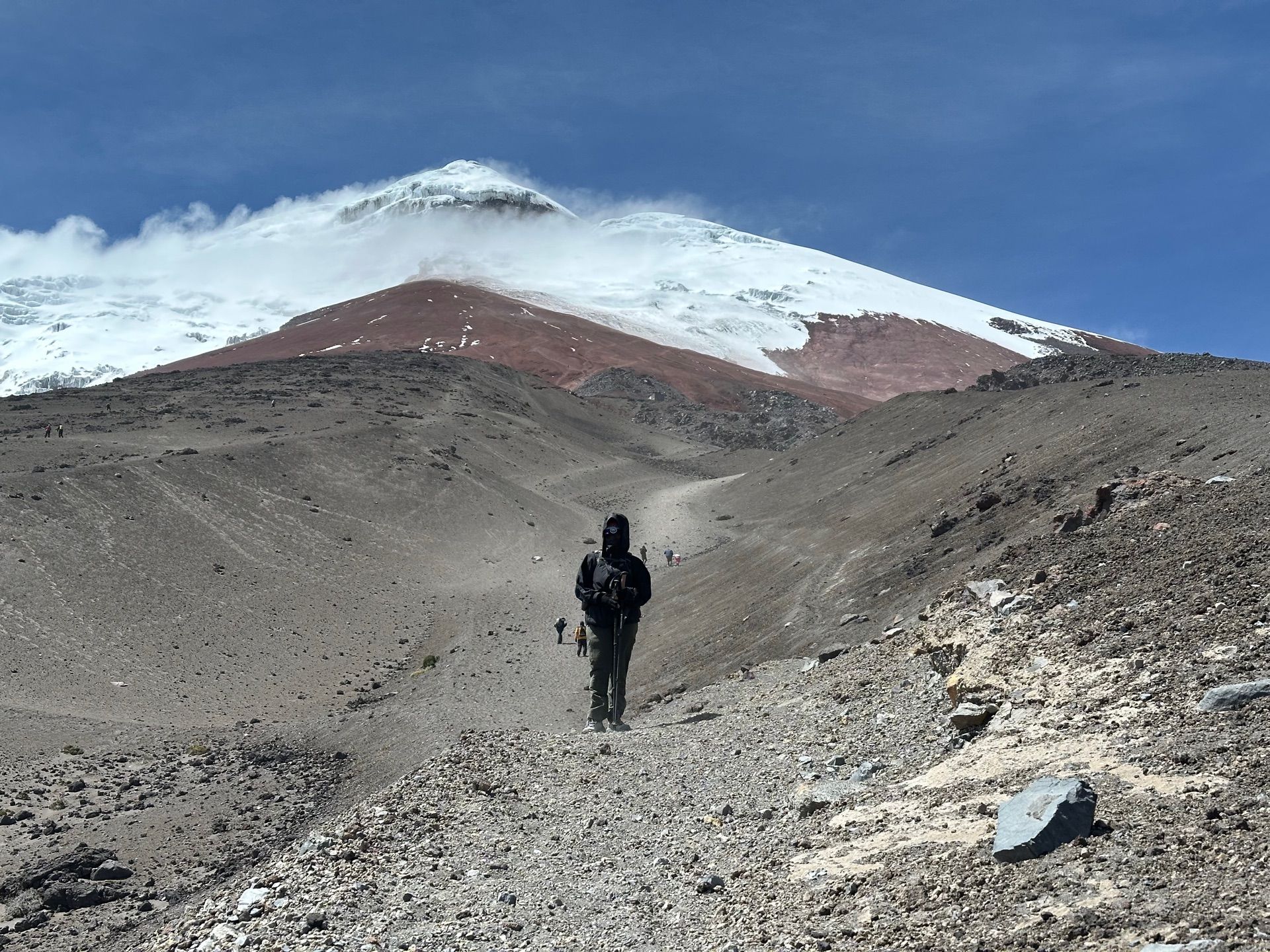
The best time to climb Cotopaxi is December to January, when winds are calmest and summit success is highest, with a second dry window in June to August (drier underfoot, but much windier). The months to avoid are March and April — wet, with soft, unstable snow. Cotopaxi can be climbed year-round, but those windows are the safest.
Here’s the timing in detail — because on a 5,897 m glaciated volcano, picking the right month does more for your summit odds than almost anything else.
Why timing matters more than temperature
Because Ecuador sits right on the equator, it doesn’t have summer and winter the way most travellers expect. At altitude it’s cold every month — summit nights on Cotopaxi and Chimborazo are well below freezing all year. What actually changes is the precipitation and the wind, and that is what decides whether you get firm snow and clear skies or a whiteout turnaround.
So the question isn’t “when is it warm” — it’s “when is the weather most stable for a 2 a.m. summit push.”
Best time to climb Cotopaxi: month by month
| Month | Conditions | Wind | Summit odds | Verdict |
|---|---|---|---|---|
| Dec–Jan | Dry, cold, clear skies | Light | Highest | ★ Best window |
| Feb | Starting to turn wetter | Light–moderate | Good | Good |
| Mar–Apr | Wettest up high, unstable snow | Moderate | Lowest | Avoid if you can |
| May | Drying out, quiet on the trails | Rising | Fair | Shoulder |
| Jun–Aug | Dry season, firm snow, busy | Strong | Good | Good — but windy |
| Sep | Still dry, gradually trending wet | Moderate | Good | Good |
| Oct–Nov | Wet and unpredictable up high | Moderate | Lower | Risky |
Wind is the real summit-killer
Most failed Cotopaxi attempts aren’t turned back by cold — they’re turned back by wind. The dry June–August high season is reliably free of rain, but it’s also the windiest stretch of the year, and a hard wind on the summit ridge ends climbs that would otherwise succeed.
That’s why December and January are quietly the best weeks of all: dry and calm. If you can be flexible, that combination is worth more than the convenience of climbing in the busy northern-hemisphere summer.
Summit success rates by season
Across the year, roughly 70% of climbers who set out reach the Cotopaxi summit. That number isn’t fixed — it climbs in calm, clear December–January conditions and falls in high wind or after fresh snow. The two things most under your control are picking a stable window and arriving properly acclimatized.
Best time to climb Chimborazo and the other volcanoes
The same wet/dry rhythm governs all of Ecuador’s big peaks, with small differences:
| Volcano | Height | Best months | Notes |
|---|---|---|---|
| Cotopaxi | 5,897 m | Dec–Jan, Jun–Aug | PD glacier climb; summit push from the José Rivas refuge (4,800 m) |
| Chimborazo | 6,263 m | Dec–Jan, Jun–Aug | Ecuador’s highest; a longer, colder summit night |
| Cayambe | 5,790 m | Nov–Feb | The only point on the equator with permanent ice; wetter eastern side |
| Antisana | 5,758 m | Nov–Feb | Remote and committing, rarely crowded |
| Iliniza Norte | 5,126 m | Jun–Sep, Dec–Jan | Non-technical scramble — the classic acclimatization peak before Cotopaxi |
How many days should you acclimatize?
Timing the weather is only half of it — the other half is altitude. Cotopaxi’s summit is nearly 5,900 m, and arriving straight from sea level is the fastest way to fail or get sick. Spend several days above 3,000–3,500 m first, ideally with one or two warm-up climbs (Iliniza Norte is the classic), and your odds rise sharply.
This is exactly why we run the volcanoes as multi-day, properly acclimatized climbs rather than rushed summit bids. See our altitude and acclimatization guide for how to prepare, and the Ecuador volcano climbing ladder for how the peaks build on each other.
And the trekking — Quilotoa and the Galápagos?
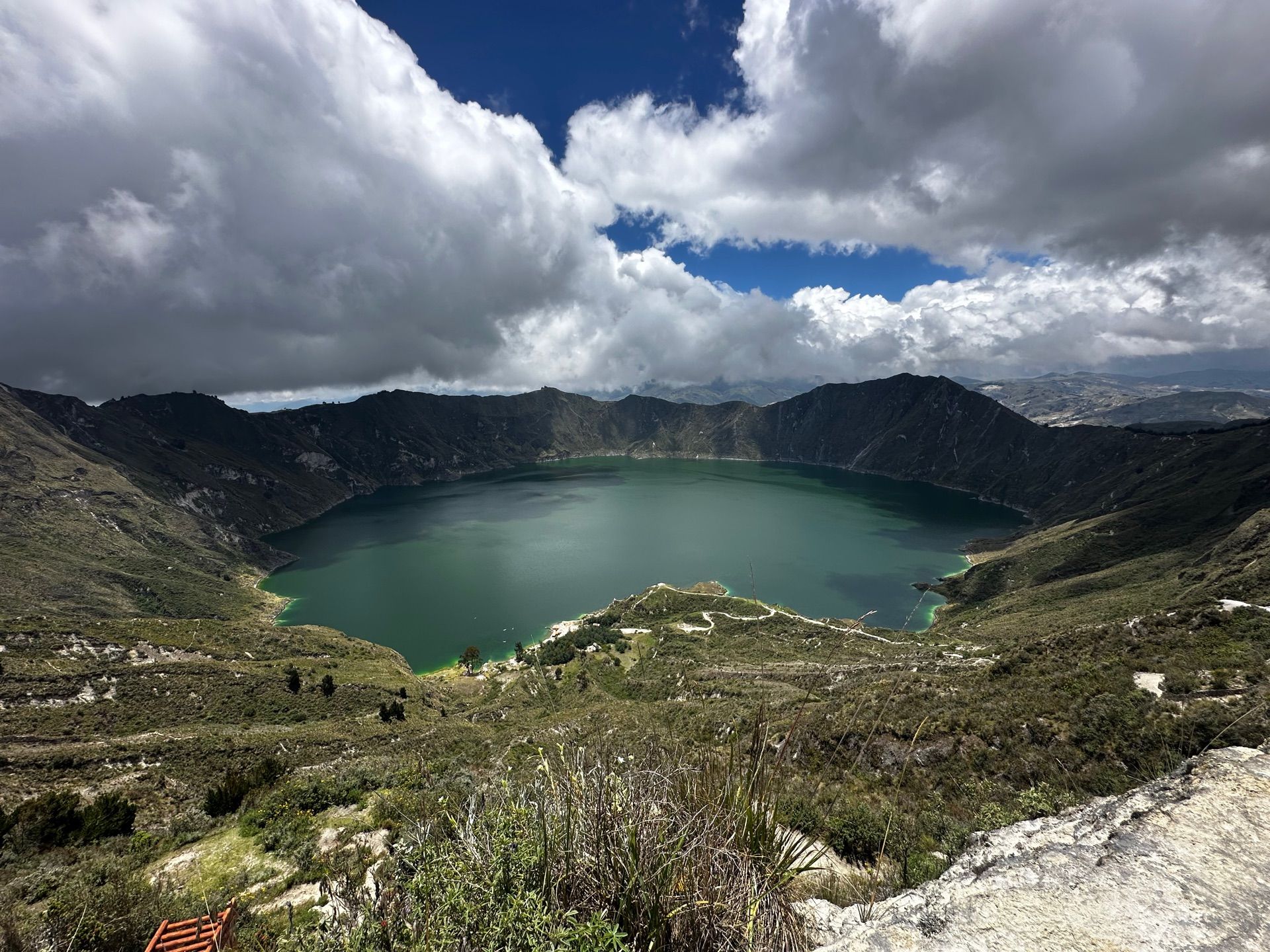
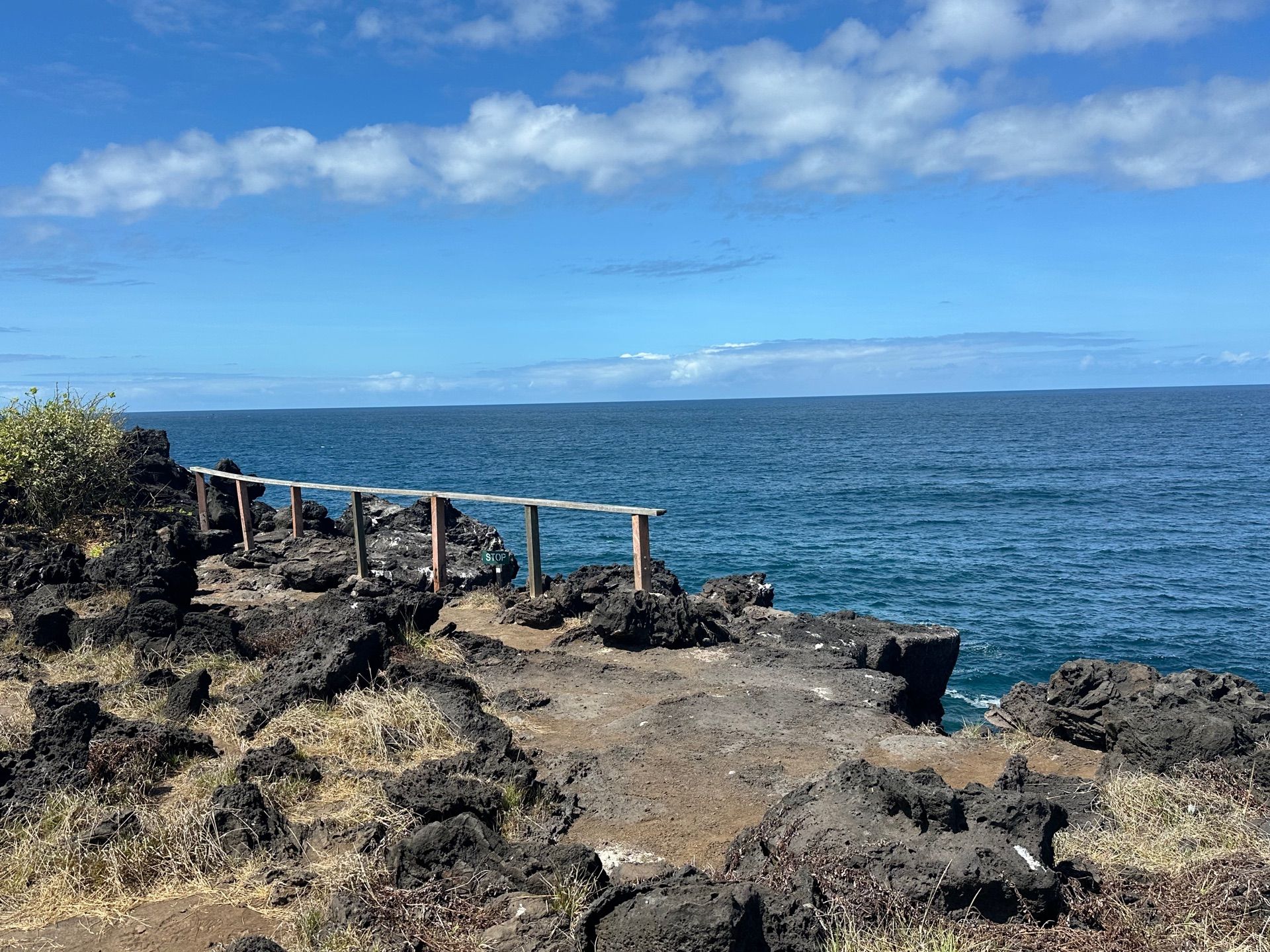
If you’re combining a climb with trekking, the seasons line up well. The Quilotoa Loop is best on dry ground from June to September, though it walks well most of the year. The Galápagos are a different climate entirely and hike well year-round — December–May is warmer and sunnier, June–November cooler and breezier.
Our honest advice
If your only goal is the best possible summit odds, aim for late December–January, then July–August. If you have flexibility and want fewer people on the mountain, the shoulder weeks on either side can be lovely — just build in a spare day or two for weather.
Whatever your dates, tell us when you’re coming and we’ll tell you honestly which peaks are in their best season and what to expect.
Frequently asked questions
When is the best time to climb Cotopaxi?
The best time to climb Cotopaxi is the dry, low-wind window of December to January, with a second dry season from June to August. December–January usually brings the calmest weather and the highest summit success; June–August is reliably dry but much windier.
What is the best month to climb Cotopaxi?
January is often singled out as the single best month — cold, clear and relatively calm, with firm glacier snow. A clear, near-full-moon night in December or January gives close to ideal summit conditions.
Can you climb Cotopaxi year-round?
Yes, Cotopaxi can be climbed in any month, but conditions vary a lot. The December–January and June–August windows are the safest; March–April are the wettest and least predictable, with softer, less stable snow.
What is the summit success rate on Cotopaxi?
Roughly 70% of climbers who attempt Cotopaxi reach the summit. Your odds rise in calm, clear weather (often December–January) and with proper acclimatization, and drop sharply in high wind or fresh snow.
How many days of acclimatization do you need before Cotopaxi?
Plan on several days above 3,000–3,500 m before your summit attempt, ideally with one or two warm-up climbs such as Iliniza Norte. The more time you spend high beforehand, the higher your summit success and the safer the climb.
When is the best time to climb Chimborazo?
Chimborazo follows the same pattern as Cotopaxi — December–January and June–August are the prime windows. As Ecuador's highest peak it has a longer, colder summit night, so stable weather matters even more.
Is June or December better for climbing Cotopaxi?
Both are dry, but December tends to be calmer while June can be very windy. For summit comfort and success, December–January usually edges out June–August; if you want the busy high season with the most departures, June–August works well too.
Do you need a guide to climb Cotopaxi?
Yes — Cotopaxi is a glaciated peak with crevasse risk, and a certified guide is required inside the national park. We run it as a guided climb with acclimatization built in.