Cotopaxi
Cotopaxi National Park: A Complete Visitor's Guide
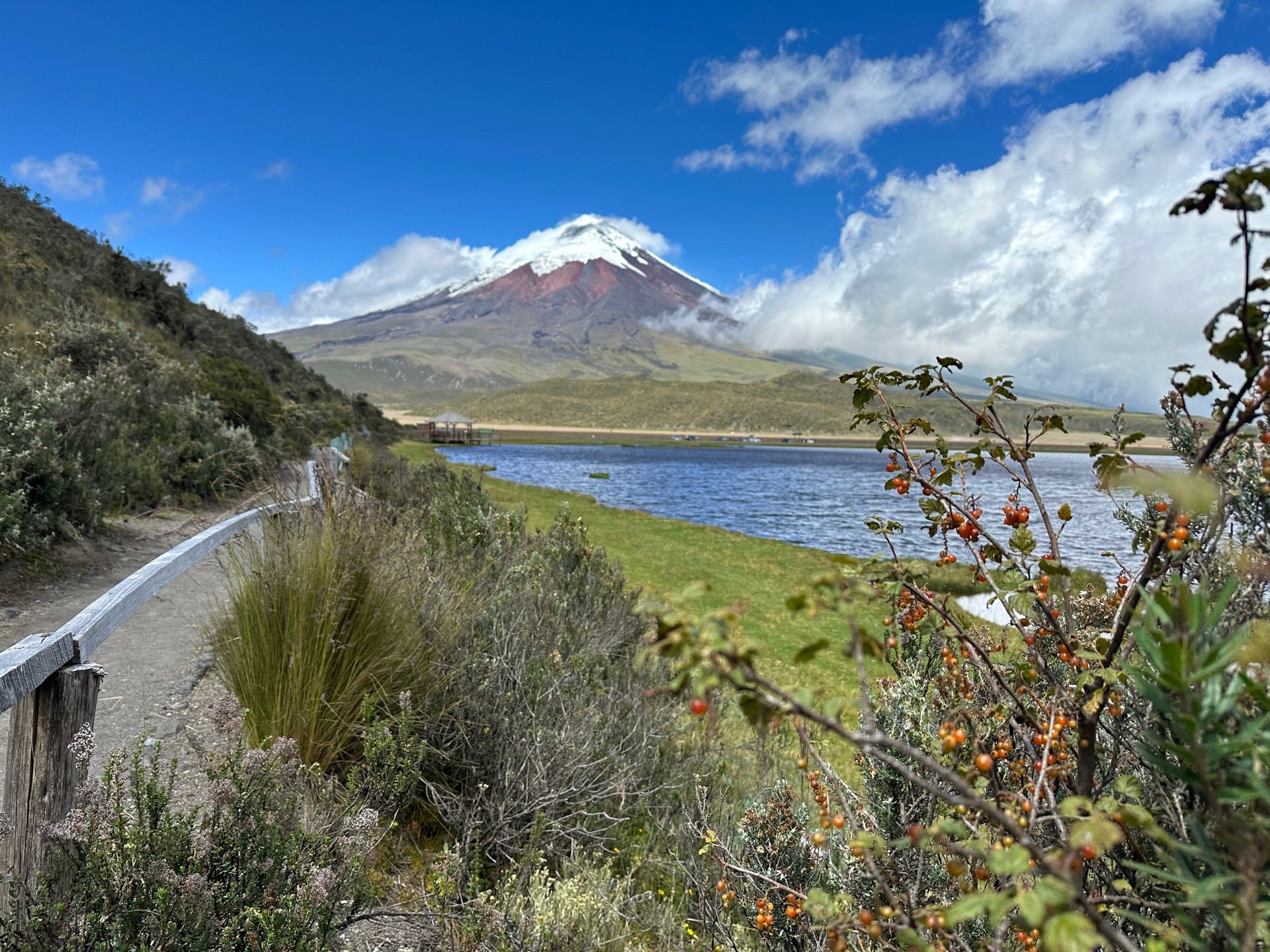
Cotopaxi National Park is a high-altitude Andean reserve about 50 km south of Quito, built around the 5,897 m Cotopaxi volcano. Entry is free, it’s open through the day, and it holds some of the most accessible high walking in Ecuador — from a lagoon loop at 3,800 m to the refuge at 4,800 m and the glaciated summit above.
It’s the kind of place you can visit as a half-day trip or use as the launchpad for a serious climb. This guide covers the practical side — getting there, fees, hours, what to do — but written from the perspective of people who work up here, because the one thing every visitor underestimates is the altitude.
Cotopaxi National Park at a glance
| Location | Central Ecuadorian Andes, ~50 km south of Quito |
| Getting there | 1–1.5 hr drive via the Pan-American Highway (E35) |
| Entrance fee | Free (register with a ranger at the gate) |
| Opening hours | ~8:00 a.m.–3:00 p.m. entry; stay until ~5:00 p.m. |
| Elevation | ~3,500 m (entrance) to 5,897 m (summit) |
| Established | 1975 · high-Andean páramo ecosystem |
| Highlights | Cotopaxi volcano, Limpiopungo lagoon, José Ribas refuge, wild horses |
Where is Cotopaxi National Park, and how to get there
The park lies in Ecuador’s central highlands, roughly 50 km (31 miles) south of Quito along the Pan-American Highway (E35) — an hour to 90 minutes by road, depending on which entrance you use and the traffic out of the city.
There are two gates. The North (Control Caspi) entrance is the usual one, closest to Quito and to the main road up toward the refuge. The South (Control Sur) entrance, nearer Latacunga, is quieter and better if you’re coming from the south or want the wilder páramo.
Your options for getting there:
- Self-drive or hired car — the most flexible; the park’s internal roads are unpaved but fine in a normal car in dry conditions.
- Organised tour — the simplest if you don’t want to arrange transport; day tours run from Quito, though these are sightseeing trips, not treks.
- Bus — frequent southbound buses from Quito’s Terminal Terrestre run down the E35 and can drop you at the park turn-off, but buses can’t enter the park — you’ll need to arrange a pickup or taxi from the highway to the gate.
Entrance fee and opening hours
Entry to Cotopaxi National Park is free. Ecuador abolished national-park entrance fees years ago, so there’s nothing to pay — you just sign in with a ranger at the gate, so bring your passport.
The park is generally open for entry from about 8:00 a.m. to 3:00 p.m., with visitors allowed to stay until around 5:00 p.m. Go early. Cotopaxi’s cone is usually out and clear first thing, then clouds roll in by late morning — the difference between arriving at 8 and arriving at noon is often the difference between seeing the volcano and seeing fog.
Elevation: why the park feels harder than it looks
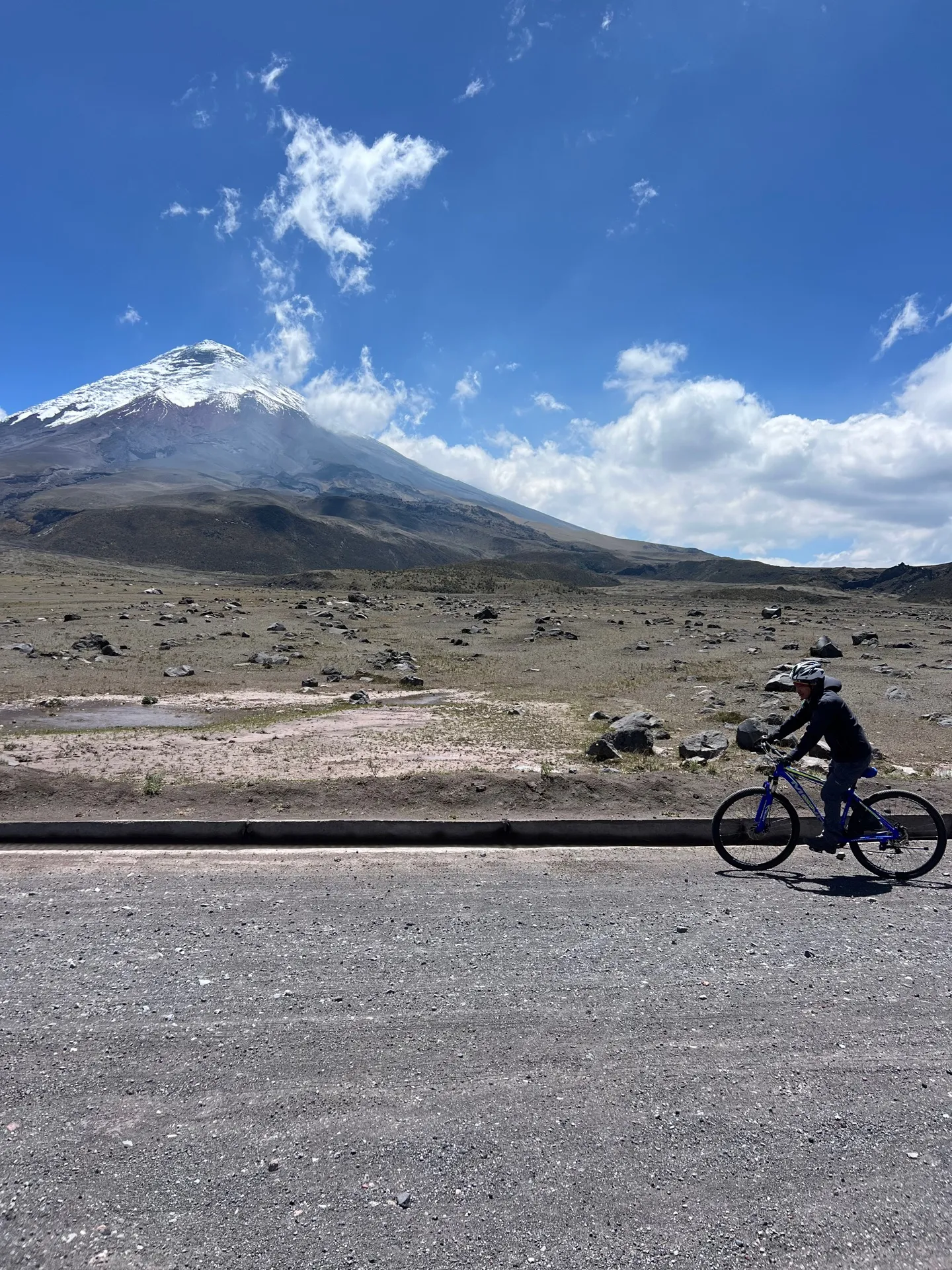
This is the part the brochures skip. Cotopaxi National Park is high — the entrance sits around 3,500 m, the car park below the refuge is roughly 4,500 m, and the José Ribas refuge is at 4,800 m. That’s higher than almost anywhere in the Alps, and you can drive most of the way there.
So the short walk from the car park to the refuge — a few hundred metres of ascent on loose volcanic sand — leaves fit, sea-level visitors gasping. It isn’t a fitness problem; it’s oxygen. If you’ve just flown into Quito, give yourself a day or two before coming up here, and read our honest guide to altitude and acclimatization in Ecuador first. The park is one of the best acclimatization outings in the country precisely because it’s so high and so easy to reach.
What to do in Cotopaxi National Park
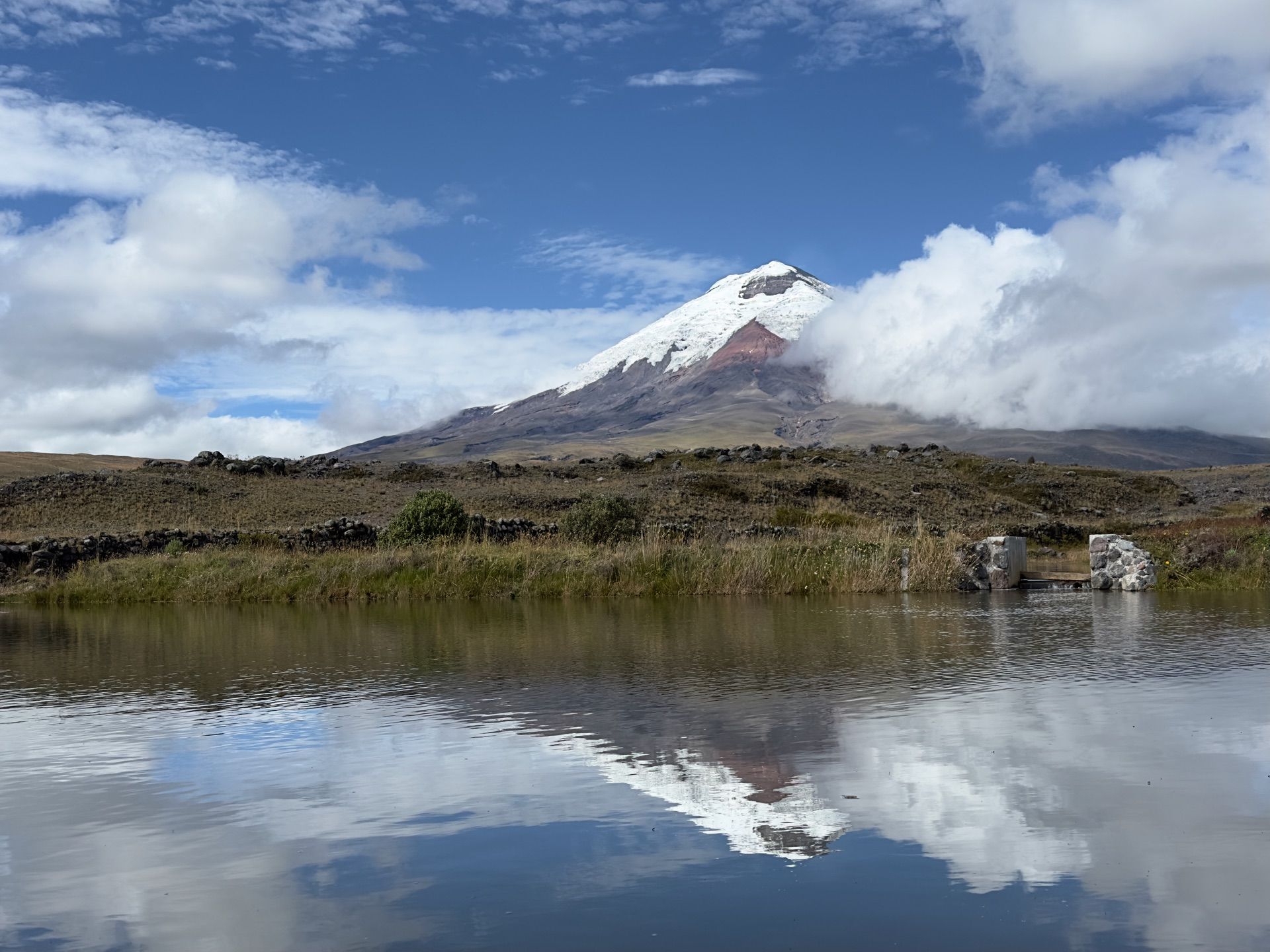
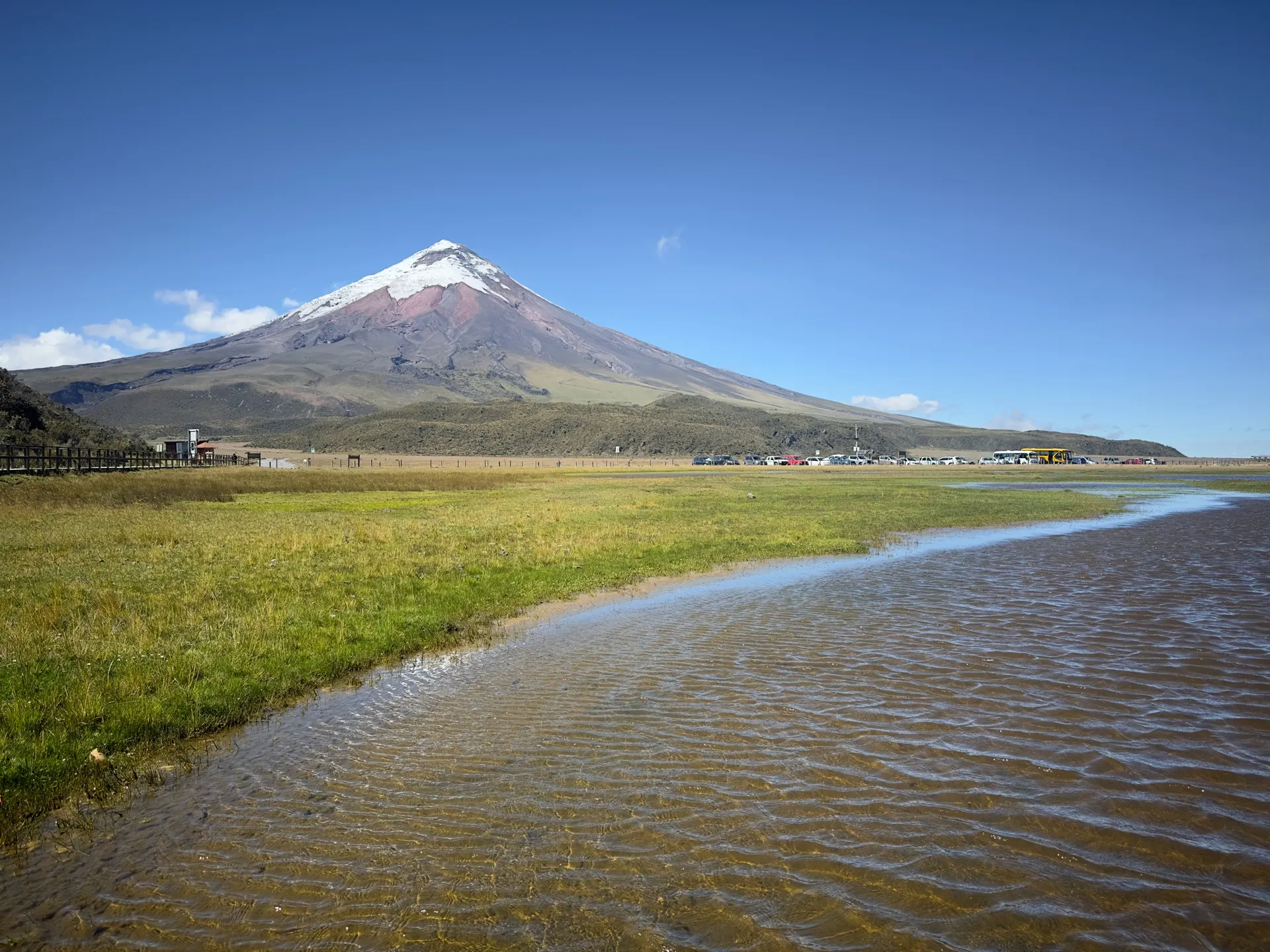
- Limpiopungo lagoon loop — a flat, roughly one-hour walk around a shallow lake at 3,800 m, with the cone reflected in the water on a still morning. The easiest way to feel the páramo without going high.
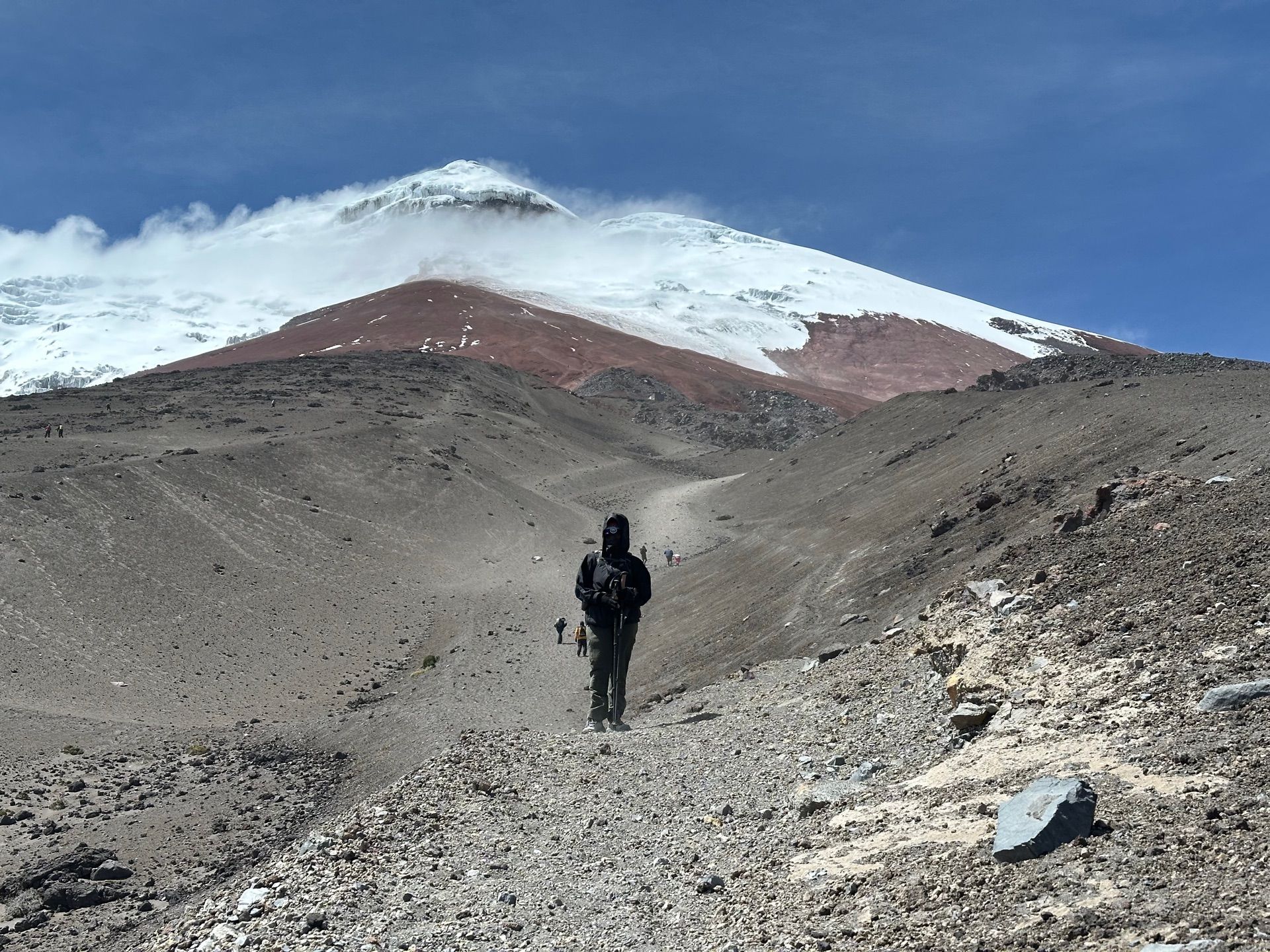
- Walk up to the refuge — from the 4,500 m car park, a steep 45–60 minute plod up to the José Ribas refuge at 4,800 m. Short, but a real altitude test.
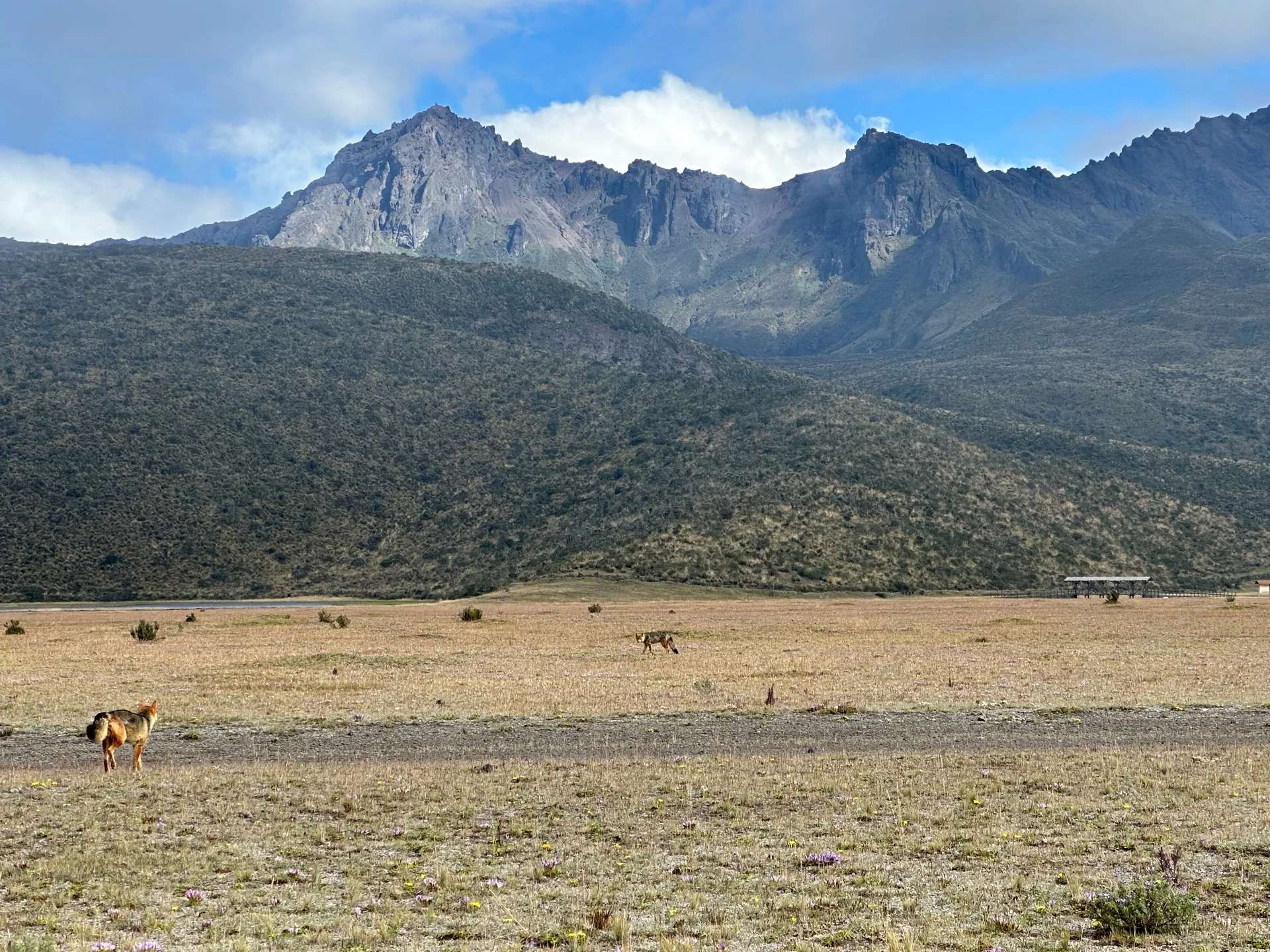
- Wildlife watching — the open páramo is one of the better places in Ecuador to spot wild horses, and, if you’re lucky, an Andean condor overhead.
- Climb the volcano — the reason many people come. See the section below.
- Acclimatization day — for anyone heading higher on Cotopaxi, Chimborazo or the Ilinizas, a day walking around the park is time well spent.
Limpiopungo lagoon and the páramo
The Limpiopungo lagoon (3,800 m) is the park’s gentle heart — a broad, shallow lake sitting on the páramo plain between Cotopaxi and Rumiñahui. The páramo itself is the star: a high, treeless grassland ecosystem found only in the northern Andes, spongy underfoot, that soaks up mist and feeds the streams below. It’s cold, wind-scoured and quietly beautiful, and it’s what gives the whole park its stark, open feel.
Wildlife in Cotopaxi National Park
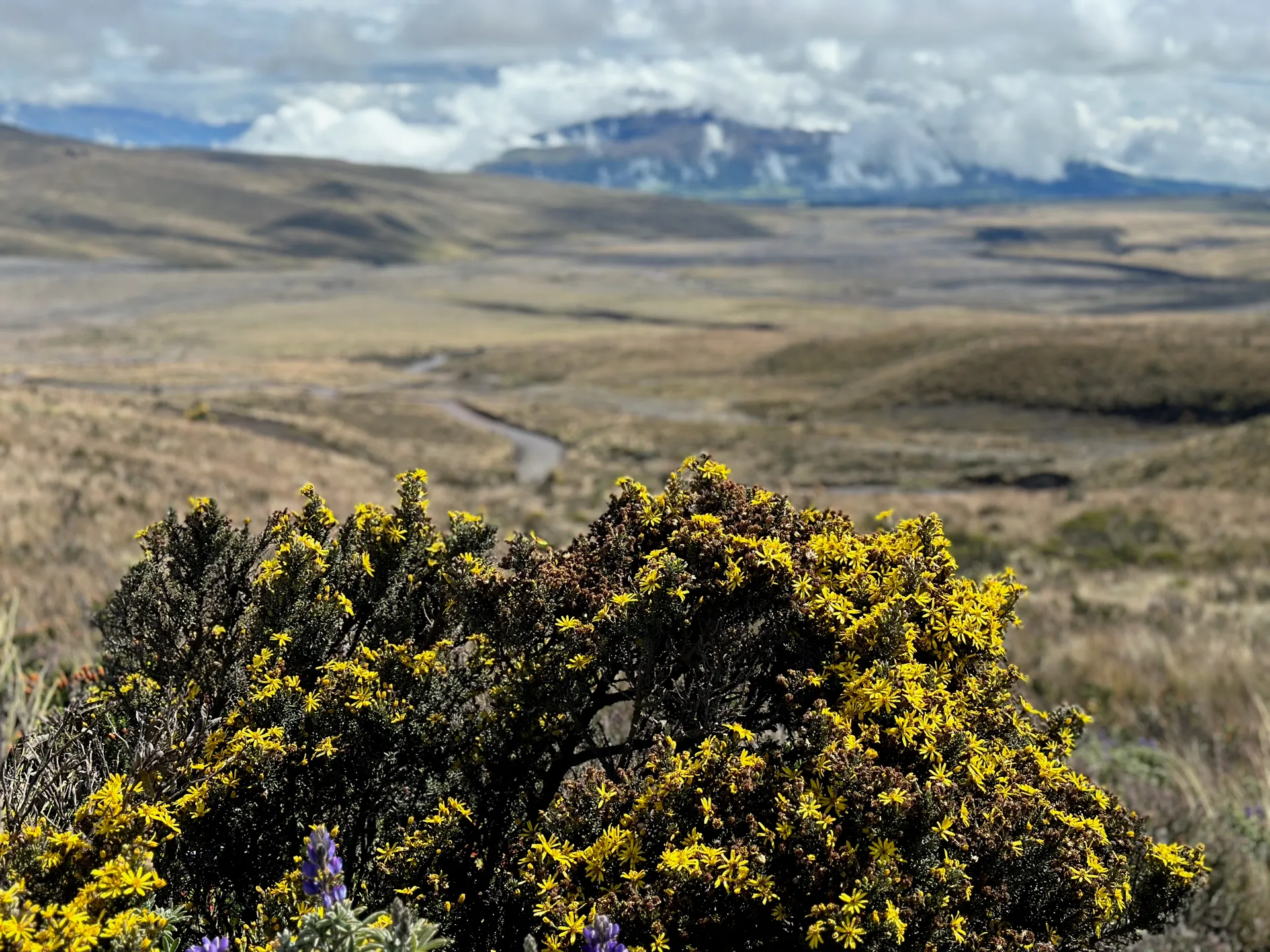
The park’s most famous residents are its wild horses, which roam the páramo in loose bands and are easy to spot from the road near Limpiopungo. Above them, the Andean condor — the reason the nearby Condor Trek exists — rides the thermals. Lower down you may see white-tailed deer, Andean foxes, rabbits and, around the flowering shrubs, hummingbirds adapted to life above 3,500 m.
Where to stay near Cotopaxi
Most visitors stay outside the gates. A cluster of haciendas and lodges sits within easy reach — from restored working haciendas to simple hostels — and there’s a basic campsite beside Limpiopungo for the hardy. If you’re climbing, sleeping at a hacienda around 3,500 m the night before is the standard move: it shortens the morning drive and, more importantly, adds a night of acclimatization.
Climbing and trekking from the park
For most people who come to andestrekking, the park is a means to an end: the climb of Cotopaxi itself. It’s a non-technical but glaciated ascent to 5,897 m, done overnight from the refuge, and a certified guide is required by law to go onto the ice. Around 70% of well-acclimatized climbers summit.
Be honest with yourself about the altitude before you commit — from the car park it looks close, but there’s 1,400 vertical metres of thin-air glacier between you and the top. If that’s the trip you’re after, start with our guide to climbing Cotopaxi, the best time to go, and the fuller picture of the Cotopaxi volcano. We run it as a guided multi-day climb with the acclimatization built in — which, up here, is the whole game.
Frequently asked questions
Is Cotopaxi National Park free to enter?
Yes. Entry to Cotopaxi National Park is free — Ecuador scrapped national-park fees years ago. You simply register with a ranger at the entrance gate (bring your passport).
How do you get to Cotopaxi National Park from Quito?
It's about 50 km (an hour to 90 minutes' drive) south of Quito on the Pan-American Highway (E35). You can drive or hire a car, join a tour, or take a southbound bus and arrange transport from the highway turn-off to the gate — buses can't take you into the park itself.
What are Cotopaxi National Park's opening hours?
The park is generally open for entry from about 8:00 a.m. to 3:00 p.m., and you can stay until around 5:00 p.m. Arrive early: the mountain is usually clearest in the morning and clouds in by midday.
How high is Cotopaxi National Park?
The park ranges from roughly 3,500 m at the entrance to 5,897 m at the summit. The car park below the refuge is around 4,500 m and the José Ribas refuge is at 4,800 m — so even the easy walks here are genuinely high-altitude.
What is there to do in Cotopaxi National Park?
Walk the Limpiopungo lagoon loop (3,800 m), hike from the car park up to the José Ribas refuge (4,800 m), watch for wild horses and condors on the páramo, or climb the volcano itself. It's also a classic acclimatization day before a bigger summit.
Do you need a guide to visit Cotopaxi National Park?
No guide is needed to visit the park, drive in or do the lower walks like Limpiopungo. A certified guide is legally required only to go onto the glacier and climb toward the summit.
Where can you stay near Cotopaxi National Park?
Several haciendas and lodges sit just outside the gates — options range from working haciendas to simple hostels — and there's a basic campsite by Limpiopungo. Most climbers sleep at a nearby hacienda the night before to help acclimatize.